


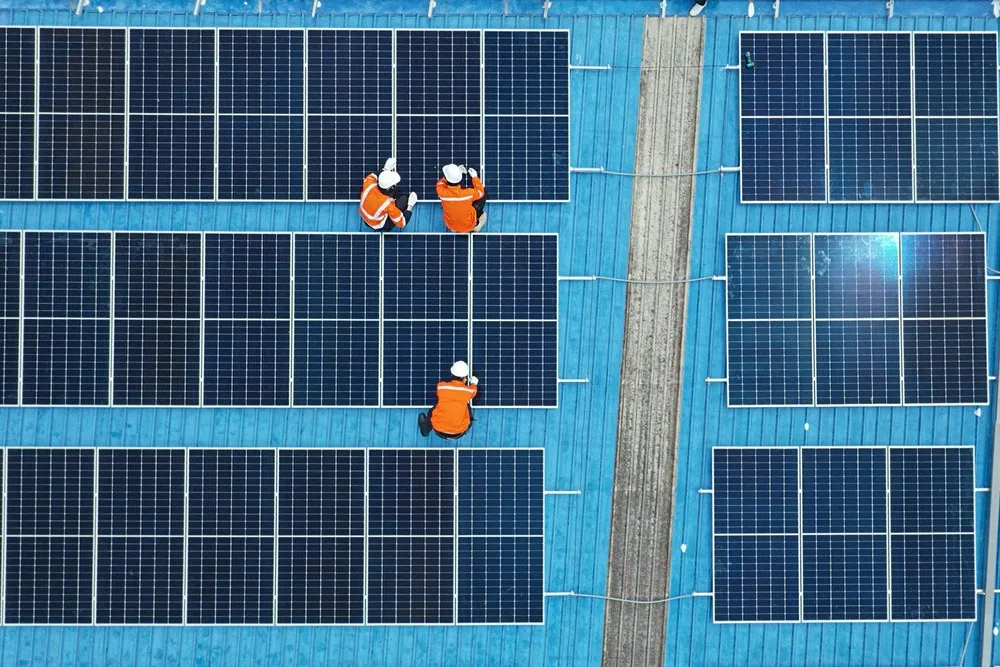
From the road, a solar farm looks like the easiest thing in the world. Panels in rows. Sun shining down. Clean and quiet. However, transporting that electricity from the farm to the grid that supplies homes and businesses is a much more complex issue. Years of planning, extensive engineering documentation, and a surprising level of coordination are all required. You won’t get any electricity until all that’s done.
The Interconnection Application
It all starts with a request. The developer contacts the local utility or regional grid operator and essentially says, “We want to connect a solar farm to your system right here.” Simple enough on the surface. Then the studies begin. The grid operator must determine if the current transmission and distribution infrastructure is capable of supporting the new electricity source. The analysis includes voltage levels, fault currents, thermal constraints on wiring, and the influence of the new generation on the stability of surrounding circuits. The developer typically covers the costs for any necessary upgrades. And those upgrades can get expensive fast.
The Engineering Behind the Scenes
After the studies come back, the heavy engineering work begins. Every solar farm needs a collector station. Imagine it as a relay station. A station that gathers electricity from solar panels, increases the voltage, and then sends it along power lines. There are many intricate elements to consider when setting up that station correctly. To avoid accidentally tripping incorrect breakers across the system, protective relays need to be precisely set for rapid fault clearing. The grounding system must be engineered to safely channel fault currents into the ground. Communication gear has to send real time data back to the grid operator’s control room. Miss one of those details and you could be looking at months of delays, or worse, a safety problem once the farm is actually running.
Permits, Studies, and a Whole Lot of Waiting
Nobody talks enough about the timeline. Right now in the United States, getting through the interconnection queue can take anywhere from three to five years. The backlog is massive. Grid operators are buried in applications, and every new project triggers another round of reviews. Then there are environmental permits, land use approvals, and construction permits from local and state agencies. Each one moves at its own pace. One contested permit from one local board can freeze an entire project in place for months.
Why Your Engineering Partner Matters
The engineering team’s expertise frequently determines whether a solar farm project meets its deadline or experiences major setbacks. Firms like Commonwealth have spent years working on renewable power projects. They help developers design collector stations. They set up protection systems and meet the technical standards that grid operators require. That kind of hands-on experience keeps projects moving and catches problems before they get expensive.
Solid engineering also means fewer headaches during commissioning. That is the final round of testing before the farm starts feeding electricity to the grid. It can stretch on for weeks, and any design flaw that pops up at that stage sends everyone scrambling back to fix it.
Conclusion
Getting a solar farm connected to the grid is slow, technical, and often maddening. Detailed studies, careful substation design, years of permitting, and constant back and forth with grid operators who are already overwhelmed. None of it is flashy work. But every single step matters, because one missed detail means those panels just sit in a field collecting dust instead of generating electricity. The sun does its part every morning. The rest is on us.