


Introduction
Choosing the right excavator attachment can make a big difference in how fast, clean, and cost-effective your project becomes. Whether you are digging trenches, breaking concrete, clearing land, moving debris, or preparing a construction site, the attachment you use determines how well your excavator performs. Many contractors lose time because they use one basic bucket for every job, even when a specialized tool could finish the task faster and with less wear on the machine. That is why understanding attachment types, features, and selection factors is important before buying. You can explore practical options for different jobsite needs at https://www.mmsce.com/collections/excavator-attachment and compare what fits your machine and work style.
Topic Overview: What Is an Excavator Attachment?
An excavator attachment is a tool connected to the arm of an excavator to perform a specific job. Instead of using the machine only for digging, attachments allow it to break, grab, drill, compact, cut, lift, grade, and clear materials. This makes one excavator useful across many industries, including construction, landscaping, roadwork, demolition, agriculture, mining, and utility installation.
The main purpose of excavator attachments is to improve machine versatility. A contractor may use a digging bucket in the morning, a hydraulic breaker in the afternoon, and a grapple for cleanup later the same day. This flexibility reduces the need for extra machines and helps teams complete more tasks with fewer resources.
Modern attachments are designed for different machine sizes, hydraulic flows, ground conditions, and material types. Before choosing one, operators should check compatibility, durability, safety, and productivity benefits.
Types, Features, and Options of Excavator Attachments
Different jobs require different tools. The best attachment depends on what you need to move, break, dig, lift, or shape. Below are some of the most useful options.
Excavator Bucket Attachments
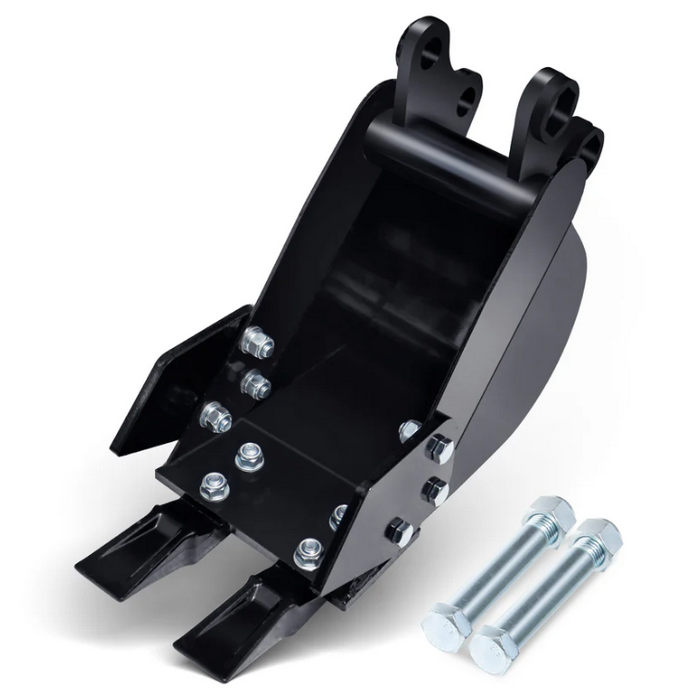
Buckets are the most common excavator tools. Standard digging buckets are used for soil, sand, clay, and general excavation. Heavy-duty buckets are better for rocky or compacted ground. Trenching buckets are narrow and useful for pipework, drainage lines, and utility projects. Grading buckets are wider and help create smooth surfaces.
Hydraulic Excavator Attachments
Hydraulic excavator attachments use the machine’s hydraulic power to perform heavy work. Common examples include hydraulic breakers, hydraulic thumbs, augers, compactors, crushers, and shears. These tools are valuable when the job requires extra force, precision, or repetitive motion.
Excavator Grapple Attachment
An excavator grapple attachment is ideal for handling logs, scrap, rocks, brush, demolition waste, and irregular materials. Grapples improve control and reduce manual labor during cleanup or loading work.
Excavator Quick Coupler
A quick coupler helps operators change attachments faster without spending too much time on manual pin removal. This is useful for contractors who switch between buckets, breakers, grapples, and other tools throughout the day.
If your jobsite demands multiple tools, browsing available choices at https://www.mmsce.com/collections/mini-skid-steer-loader-attachment can help you identify which attachment type matches your machine and workflow.
Benefits and Importance of the Right Excavator Attachment
The right excavator attachment solves real jobsite problems. It reduces wasted time, improves accuracy, and helps operators complete tasks with less strain on the equipment. For example, using a hydraulic breaker instead of a bucket for concrete removal protects the excavator from unnecessary stress. Using a grapple for debris handling improves safety because workers do not need to manually move heavy or sharp materials.
Another major benefit is cost control. Instead of buying or renting several machines, one excavator can perform many jobs with the right attachment setup. This is especially helpful for small and medium contractors who need maximum value from every piece of equipment.
Attachments also improve job quality. A grading bucket creates smoother finishes, an auger drills cleaner holes, and a compactor provides better soil preparation. In short, the correct attachment turns your excavator into a more productive and flexible machine.
How to Choose the Best Excavator Attachment
Choosing the best attachment should be practical, not confusing. Follow these steps before making a decision.
1. Identify the Main Job
Start with the task. Are you digging, breaking, grading, drilling, lifting, or clearing? A trenching project needs a different tool than a demolition cleanup job.
2. Check Excavator Compatibility
Match the attachment with your excavator size, weight class, pin diameter, hydraulic flow, and pressure rating. An oversized attachment can reduce performance and damage the machine.
3. Consider Material Conditions
Soft soil, clay, gravel, rock, concrete, timber, and scrap metal all require different attachment strengths. For rocky jobs, choose heavy-duty or reinforced designs.
4. Review Build Quality
Look for strong steel construction, wear-resistant parts, reliable welds, and replaceable components. A cheaper attachment may cost more later if it wears out quickly.
5. Think About Productivity
If your team changes tools often, an excavator quick coupler may save valuable time. If you handle heavy debris daily, a grapple may improve both speed and safety.
Expert Tips and Best Practices
Experienced operators know that performance depends on both the attachment and how it is used. First, always inspect pins, hoses, teeth, cutting edges, and hydraulic connections before starting work. Small damage can become expensive if ignored.
Second, avoid using an attachment for work it was not designed to handle. A digging bucket should not be used like a breaker, and a light-duty grapple should not be forced into heavy demolition work. Proper use extends equipment life and improves safety.
Third, train operators on attachment limits. Even strong excavator attachments have working ranges, load limits, and recommended operating angles. Smooth operation is better than aggressive force.
Finally, maintain a regular service schedule. Greasing, cleaning, tightening, and replacing worn parts at the right time helps keep attachments reliable. For contractors who depend on daily machine performance, good maintenance is not optional—it is part of profitable work.
Conclusion
A good excavator becomes far more valuable when paired with the right attachment. From buckets and grapples to hydraulic breakers, augers, compactors, and quick couplers, each tool has a clear role in improving jobsite speed, safety, and accuracy. The key is to match the attachment with your machine size, material type, and daily work needs. Before investing, compare features, check compatibility, and choose durable equipment built for real conditions. To explore practical attachment options for construction, demolition, digging, and material handling.