


Interior finishes play an important role in defining the appearance, comfort, and durability of residential and commercial spaces. From decorative ceilings to intricate mouldings and smooth surface treatments, the right finishing material can influence both visual appeal and long-term performance. POP material is widely used for interior applications because of its workable consistency, quick-setting properties, smooth finish, and ability to create detailed designs.
When selected carefully and applied correctly, it can support durable surfaces while offering flexibility for different architectural requirements. Understanding its properties, applications, quality factors, and installation practices can help achieve attractive and long-lasting interior finishes.
Understanding Plaster of Paris for Interior Work
Plaster of Paris is produced from gypsum and primarily consists of calcium sulphate hemihydrate. When mixed with water, it forms a workable paste that sets into a firm surface. The material can also be moulded into different shapes, making it useful for customised interior features.
For interior construction, material consistency matters as much as appearance. A controlled setting time gives workers enough opportunity to spread, shape, and finish the plaster properly. Consistent quality can also reduce uneven surfaces, wastage, rework, and premature surface problems.
How POP Supports Smooth Interior Finishes
A major advantage of plaster-based finishing is its ability to create clean, uniform surfaces. When correctly mixed and applied, the paste can cover minor surface irregularities and provide a suitable base for decorative treatment or painting. A smoother foundation helps subsequent finishes appear more even and refined.
The fine nature of the material is particularly useful for moulding and ceiling work. It can be shaped into patterns, borders, panels, curves, and other decorative elements. This flexibility allows designers to combine functional surfaces with architectural detailing.
Supporting Durable Ceiling Designs
False ceilings are among the most familiar interior applications of plaster of Paris. The material can be used to create decorative ceiling features that accommodate different design concepts. Properly prepared and installed surfaces can maintain their appearance while supporting lighting layouts and other visual elements.
Durability, however, depends on more than the material itself. Good surface preparation, correct mixing, appropriate application, and adequate drying are important for reducing the possibility of cracking, flaking, or weak bonding. Selecting consistent material and following recommended working practices helps improve the service life of the finished surface.
Importance of Material Quality
The quality of plaster directly affects the consistency of the finished work. Important characteristics include whiteness, residue, setting time, and strength. Industry guidance cited on the website notes a desired whiteness range of 65 to 70 per cent, residue of about 2 to 4 per cent, and a setting time of approximately 15 to 20 minutes for standard POP. These parameters help professionals evaluate whether the material is appropriate for intended applications.
Consistent quality also makes application more predictable. When the powder has suitable fineness and setting characteristics, workers can achieve better control during mixing and finishing. This can contribute to cleaner detailing and reduce unnecessary material consumption.
Role of Skilled Application
Even a high-quality plaster product requires correct handling. Before application, the surface should be clean, stable, and free from loose particles, dust, and other contaminants. The powder should be mixed with the appropriate quantity of water to create a workable consistency.
Application should be carried out carefully, especially when creating decorative profiles or ceiling patterns. Excessive water, incorrect proportions, rushed finishing, or poor surface preparation can affect the final result. Allowing the applied layer to set properly before subsequent finishing also helps maintain surface integrity.
Choosing Reliable POP Manufacturers
Selecting dependable POP manufacturers is important when consistency and long-term performance are priorities. Buyers should review technical specifications, quality certifications, manufacturing practices, and product suitability before making a decision. Certified products can provide greater confidence that the material has been evaluated against relevant quality requirements.
It is also useful to consider the intended application. A product selected for decorative moulding may have different requirements from one used for broader finishing work. Understanding the project’s surface, design, setting-time needs, and expected finish can help contractors and designers select an appropriate formulation.
Applications Beyond Basic Finishing
Plaster of Paris is not limited to simple wall or ceiling work. Its mouldability makes it useful for architectural mouldings, decorative patterns, panels, sculptures, artistic elements, and other interior features. It can help create visual depth and character without relying entirely on complex construction methods.
In interior design, this adaptability can support traditional and contemporary concepts. Decorative borders, recessed details, ceiling patterns, and customised shapes can be produced according to design requirements.
Practices That Help Extend Finish Life
Long-lasting finishes depend on proper preparation and maintenance. The substrate should be checked before application to identify dampness, instability, or existing damage. Addressing such issues first can prevent problems from transferring into the new finish.
Correct storage is also important. Plaster powder should be protected from moisture because premature exposure to water can affect its performance. During installation, workers should use clean tools and follow suitable mixing and application practices. Once the surface is finished, unnecessary impact and prolonged moisture exposure should be avoided.
Why Proper Selection Matters
Choosing a suitable plaster solution involves more than comparing prices. The material should match the project’s purpose, application method, desired finish, and working conditions. Factors such as setting time, strength, whiteness, residue, and workability can influence the final outcome.
For large projects, consistency becomes especially important because variations between batches can affect finishing quality. Reliable specifications and controlled production can help teams achieve similar results across different areas.
Conclusion
A durable interior finish begins with the right material, appropriate preparation, and careful application. POP material can support smooth surfaces, decorative detailing, moulded features, and false ceiling designs because of its workable nature and quick-setting characteristics. However, long-term performance depends on quality, correct proportions, skilled installation, proper drying, and protection from moisture. When these factors are managed together, plaster-based finishes can remain attractive, functional, and dependable for years.
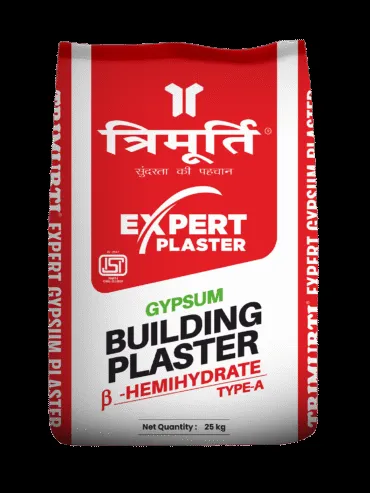
For reliable construction and finishing needs, Trimurti provides solutions including Plaster of Paris, gypsum plaster, wall putty, ceiling products, tile fixing solutions, dry mix mortars, waterproofing solutions, and paints. Its portfolio also includes Trimurti waterproof putty, supporting smooth and durable wall surfaces. These solutions serve builders, contractors, and homeowners seeking dependable products for quality construction, interior finishing, surface protection, and long-lasting results across diverse residential and commercial projects.