


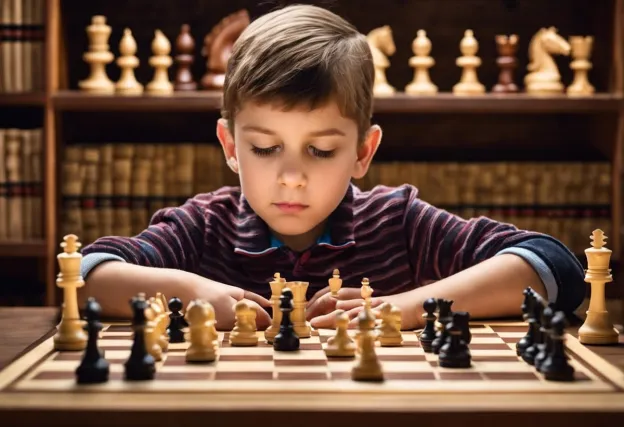
Chess is a game of patience, planning, and thoughtful decision-making. While learning the basic rules is an important first step, becoming a stronger player requires regular practice and a willingness to improve. Consistent effort helps players recognise patterns, understand strategies, and make better decisions during a game. For learners who have already developed basic skills, online intermediate chess lessons can provide structured guidance and help them move towards more advanced play.
However, improvement does not happen overnight. Players need to review their games, learn from mistakes, and apply new ideas regularly. With a balanced routine, Intermediate Chess Classes can help learners build confidence and develop skills that remain useful over time.
Why Regular Practice Builds Stronger Chess Skills
Chess involves several connected skills, including tactical awareness, positional understanding, calculation, and time management. Practising consistently allows players to strengthen these abilities gradually instead of relying only on memory or instinct.
Benefits of Consistent Practice
Regular practice can help players:
● Recognise patterns: Repeated exposure to common positions helps players identify tactics such as forks, pins, and discovered attacks.
● Improve calculation: Players learn to consider possible moves and predict their consequences before making a decision.
● Develop patience: Consistent play encourages learners to avoid rushed moves and examine the position carefully.
● Build confidence: Understanding familiar patterns makes it easier to approach challenging positions.
For intermediate players, online intermediate chess lessons can introduce these concepts through guided exercises and practical examples. Similarly, Intermediate Chess Classes can help learners understand how individual skills connect during an actual game.
How Consistency Improves Strategic Thinking
A strong chess player does more than look for immediate attacks. They also understand how to improve their position, protect weaknesses, and prepare for future opportunities. These abilities develop through repeated practice and careful analysis.
Important Areas to Focus On
● Opening preparation: Learn opening principles, develop pieces efficiently, and understand the purpose behind common moves.
● Middlegame planning: Identify weaknesses, improve piece activity, and create plans based on the position.
● Endgame understanding: Practise king activity, pawn promotion, and basic winning or drawing techniques.
● Tactical awareness: Solve puzzles regularly to improve the ability to spot combinations and avoid blunders.
A structured routine that includes chess training across these areas helps players avoid focusing only on their favourite part of the game. In addition, online intermediate chess lessons can help learners explore these stages with a clear learning path.
Practical Ways to Improve Chess Skills
Consistent practice becomes more effective when players focus on specific skills. A balanced approach helps learners improve their decision-making and understand different game situations.
Key Practice Activities
● Solve tactical puzzles: Recognise forks, pins, and checkmate patterns.
● Study openings: Understand piece development and centre control.
● Practise endgames: Learn king activity and pawn promotion.
● Analyse games: Identify mistakes and missed opportunities.
● Improve calculation: Evaluate possible moves before making decisions.
Regular chess training, supported by online intermediate chess lessons and Intermediate Chess Classes, helps players develop stronger strategies and build confidence over time.
Create a Practical Chess Practice Routine
Consistency becomes easier when players follow a manageable schedule. Rather than practising for several hours once a week, learners can benefit from shorter sessions spread across several days.
A Simple Weekly Practice Plan
Players can organise their practice around the following activities:
● Solve tactical puzzles: Spend 10–15 minutes identifying combinations and calculating variations.
● Play thoughtful games: Choose games with enough time to consider different moves instead of playing only quick matches.
● Review completed games: Identify mistakes, missed opportunities, and decisions that could have been improved.
● Study one concept: Focus on a specific opening idea, positional theme, or endgame technique.
● Track progress: Record recurring mistakes and review them regularly.
This routine makes chess training more purposeful. Moreover, Intermediate Chess Classes can help learners stay accountable by providing structured activities and feedback. Players using online intermediate chess lessons can also fit practice into their daily schedules without making it feel overwhelming.
Bilkul! Article mein thoda aur informative content add karne ke liye ye sections include kar sakte ho. Inhe existing article mein naturally add kar dena.
Develop Better Decision-Making Under Pressure
Chess players often face situations where they must make important decisions within a limited amount of time. Consistent practice helps them remain calm, evaluate different possibilities, and choose moves based on the position rather than emotions. This ability becomes especially important during competitive games.
How Regular Practice Improves Decision-Making
● Evaluate multiple options: Consider different candidate moves before making a final decision.
● Manage time effectively: Learn when to calculate deeply and when to make a practical move.
● Avoid emotional decisions: Stay focused after losing a piece or missing an opportunity.
● Recognise critical positions: Identify moments when the game requires extra attention.
Through regular chess training, players gradually develop a more disciplined approach to decision-making. In addition, Intermediate Chess Classes can introduce practical exercises that help learners apply these skills during real games.
Stay Motivated by Measuring Long-Term Progress
Chess improvement can sometimes feel slow. A player may understand a new concept but still struggle to apply it during a competitive game. Therefore, tracking progress helps learners recognise small improvements and remain motivated.
Ways to Monitor Development
● Maintain a record of games and recurring mistakes.
● Review whether tactical puzzles are becoming easier.
● Notice improvements in decision-making and time management.
● Set realistic goals, such as reducing blunders or improving endgame understanding.
● Celebrate progress instead of focusing only on wins and losses.
A well-planned approach to chess training encourages steady development. Additionally, online intermediate chess lessons can support learners who need guidance as their skills and goals change. By combining independent practice with Intermediate Chess Classes, players can continue learning while developing greater confidence.
Conclusion
Consistent chess practice helps players build tactical awareness, strategic understanding, patience, and confidence. Although progress takes time, regular practice, thoughtful game analysis, and realistic goals can make improvement more achievable. Players who follow a structured approach to chess training can gradually strengthen their decision-making and develop a deeper understanding of the game. The key is to remain curious, learn from mistakes, and enjoy the process of becoming a better player.
Digital instruction serves players across varying levels of expertise. Platforms like Chessbrainz deliver organized training paths featuring engaging tutorials, professional mentorship, practical drills, competitive events, and detailed game reviews to foster ongoing advancement. Individuals looking for online intermediate chess lessons or structured Intermediate Chess Classes can discover suitable options through Chessbrainz. Such environments enable learners to maintain a regular study schedule, gain valuable feedback, and steadily work toward lasting skill enhancement.