


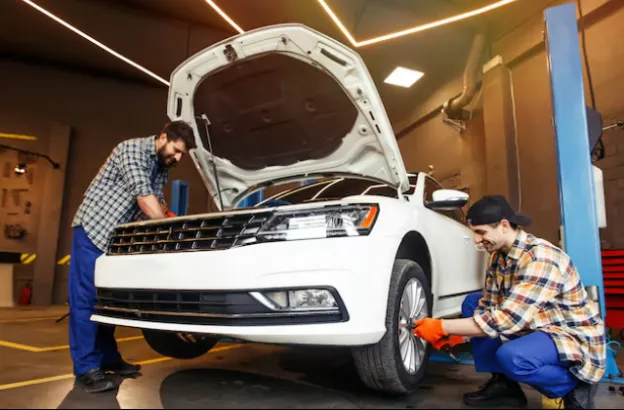
A vehicle’s engine influences acceleration, fuel economy, smoothness, and driving confidence. When components begin to wear or malfunction, drivers may notice sluggish response, unusual sounds, higher fuel consumption, or inconsistent idling. Timely repairs can correct these concerns before they develop into more serious failures. Choosing dependable car repair solutions in Dwarka gives vehicle owners access to proper diagnosis, skilled repair work, and suitable maintenance based on the vehicle’s condition.
Engine repair involves identifying the underlying cause, evaluating related systems, and restoring the engine to efficient operation. A systematic repair process can improve drivability, reduce unnecessary strain, and help maintain the vehicle’s long-term reliability.
Understanding Engine Performance Problems
Engine problems can show up in several ways, and each symptom may have more than one possible cause. Reduced acceleration, rough idling, engine vibrations, difficulty starting, overheating, unusual smoke, and dashboard warning lights should receive timely attention.
Professional evaluation helps distinguish routine maintenance from repairs involving critical components. Ignoring symptoms can allow a small fault to affect connected systems, increasing repair complexity and costs. Early attention therefore plays an important role in preserving dependable engine operation.
Diagnostic Assessment Before Repairs
Accurate diagnosis is the foundation of effective engine repair. Technicians need to understand the vehicle’s symptoms, review warning codes, inspect relevant components, and use appropriate testing equipment before deciding on a repair.
● Computerized Fault Detection
Modern vehicles contain electronic control units and sensors that monitor engine operation. Diagnostic scanning can identify stored fault codes and irregular readings, giving technicians useful information about possible electronic or mechanical problems.
● Mechanical Component Evaluation
Not every engine issue produces an electronic fault code. Technicians may need to evaluate belts, hoses, spark plugs, filters, fluid condition, compression, and other mechanical components to locate the actual source of poor performance.
● Fluid and Temperature Checks
Engine oil and coolant have important roles in lubrication and temperature control. Low levels, contamination, leaks, or poor circulation can contribute to excessive wear and overheating. Evaluating these areas can reveal problems that require immediate correction.
Key Engine Repairs That Restore Efficiency
Once the fault is identified, the repair approach depends on the affected component and severity. Some repairs are relatively straightforward, while others require specialist knowledge and additional testing.
1. Oil and Filter Replacement
Old or contaminated oil can reduce lubrication and increase friction between moving components. Replacing the oil and filter at suitable intervals helps support cleaner engine operation and reduces unnecessary wear.
2. Spark Plug and Ignition Repairs
Worn spark plugs or faulty ignition components can cause misfires, hesitation, rough idling, and reduced fuel efficiency. Replacing affected components can help restore consistent combustion and smoother power delivery.
3. Cooling System Repairs
A malfunctioning thermostat, radiator, hose, water pump, or cooling fan can cause overheating. Correcting the fault and restoring proper coolant circulation helps protect internal engine components from heat-related damage.
4. Belt and Hose Replacement
Cracked belts and deteriorated hoses can affect important engine systems and may fail without much warning. Replacing worn parts helps maintain reliable operation and reduces the risk of sudden breakdowns.
Maintenance Support After Engine Repairs
Repairs should be followed by appropriate maintenance to preserve the improvements achieved. Scheduled oil changes, filter replacements, fluid checks, and timely inspections can reduce recurring problems and keep engine components working efficiently.
For convenience, car service at the doorstep in Dwarka can make routine maintenance easier to manage. It can help owners address routine needs without delaying care.
Signs That Engine Attention Is Needed
Drivers should pay attention to changes in vehicle behavior because early symptoms can provide valuable clues. Prompt professional attention can prevent minor issues from developing into extensive engine damage.
● Reduced acceleration or unusual hesitation
● Rough or unstable idling
● Unusual engine noises or vibrations
● Excessive smoke from the exhaust
● Frequent overheating
● Higher-than-usual fuel consumption
● Difficulty starting the vehicle
● Persistent engine warning lights
These signs do not always indicate major engine failure, but they should not be ignored. A proper diagnosis can determine whether the cause involves maintenance, a specific component, or a more complex repair.
Improving Driving Efficiency After Repairs
Effective engine repairs can influence several aspects of driving performance. Restoring proper combustion, lubrication, cooling, and electronic control can help the engine deliver power more consistently while reducing unnecessary mechanical strain.
Fuel efficiency may improve when misfires, restricted airflow, poor ignition, or incorrect sensor readings are corrected. Results depend on vehicle condition, driving habits, road conditions, and previous maintenance.
Choosing the Right Repair Approach
Engine repairs should be based on accurate findings. A reliable technician should explain the identified problem, discuss the required repair, and use suitable tools and replacement components. This approach helps prevent unnecessary work and supports dependable results.
Vehicle age, mileage, service history, and mechanical condition should also be considered. In some cases, repairing one component may be sufficient, while extensive wear may require a broader repair plan. Clear evaluation supports practical decisions based on safety, performance, and long-term value.
Preventive Care for Long-Term Engine Health
Regular maintenance remains one of the most effective ways to reduce avoidable engine problems. Following recommended service intervals helps keep lubrication, filtration, cooling, ignition, and other essential systems in suitable condition.
Owners should also respond promptly to warning lights, unusual sounds, fluid leaks, or noticeable changes in performance. Keeping service records can help technicians understand previous repairs and identify recurring concerns. Consistent care can reduce unexpected downtime and support reliable engine operation.
Conclusion
Engine repairs can restore smooth performance, responsive acceleration, fuel efficiency, and driving reliability when they are based on accurate diagnosis and appropriate workmanship. Addressing warning signs early, repairing worn components, and maintaining the engine afterward can help prevent larger failures and extend vehicle life. For dependable car service in Dwarka, vehicle owners can consider experienced automotive professionals who combine proper diagnostics with practical maintenance solutions.
For motorists seeking reliable support for their vehicles, Smooth Your Drive offers professional repair, maintenance, diagnostic, and servicing solutions. Its focus on skilled workmanship and systematic vehicle care can help drivers maintain efficient engine performance, reduce recurring engine problems, improve everyday reliability, and enjoy greater confidence on the road.