


In today’s digital music landscape, visuals play an important role in how artists connect with audiences. A well-crafted music video can enhance a song’s message, strengthen an artist’s identity, and increase engagement across multiple platforms. As competition within the entertainment industry continues to grow, professional music video production has become an essential part of promoting music and building a lasting connection with fans.
South Korea has earned a global reputation for producing visually captivating music videos that combine creativity, technical expertise, and strong storytelling. While viewers often focus on the final product, the success of a music video depends on extensive planning and collaboration behind the scenes.
Building the Concept Before the Camera Rolls
Every memorable music video begins with a creative idea. Before production starts, directors and creative teams work closely with artists to understand the message, mood, and style of the song.
This phase often includes brainstorming sessions, mood boards, visual references, and storyline development. Some projects focus on performance-driven visuals, while others incorporate narrative elements that complement the music.
Developing a clear creative direction early helps ensure consistency throughout the production process and provides a strong foundation for the final video.
The Importance of Pre-Production Planning
Successful music videos rarely happen without preparation. Once the concept is approved, production teams begin organizing the practical elements needed to bring the vision to life.
This stage may include:
- Location scouting
- Scheduling
- Casting performers or actors
- Wardrobe planning
- Equipment coordination
- Set design preparation
- Permit acquisition
Detailed planning allows teams to maximize filming time and avoid unnecessary delays during production.
The stronger the preparation, the smoother the production process tends to be.
Bringing Creative Ideas to Life on Set
Production days are often fast-paced and require close collaboration between multiple departments. Directors, cinematographers, lighting specialists, stylists, choreographers, and production crews work together to execute the creative vision.
Every scene is carefully planned to capture the right mood, movement, and visual impact. Lighting choices, camera angles, performance direction, and set design all contribute to the overall look and feel of the video.
During filming, flexibility is also important. Creative teams frequently adjust shots and sequences based on conditions, performances, or new ideas that emerge during the shoot.
Why Visual Storytelling Matters
Modern music videos are about more than simply showing an artist performing a song. Many successful productions use visual storytelling to create emotional connections with viewers.
Narrative scenes, symbolic imagery, cinematic sequences, and creative transitions can help reinforce a song’s message while making the content more memorable. These storytelling elements encourage audiences to engage with the video on a deeper level.
When visuals and music work together effectively, they can transform a simple performance into a powerful viewing experience.
The Critical Role of Post-Production
Once filming is complete, the project enters post-production. This stage is where raw footage is transformed into a polished final product.
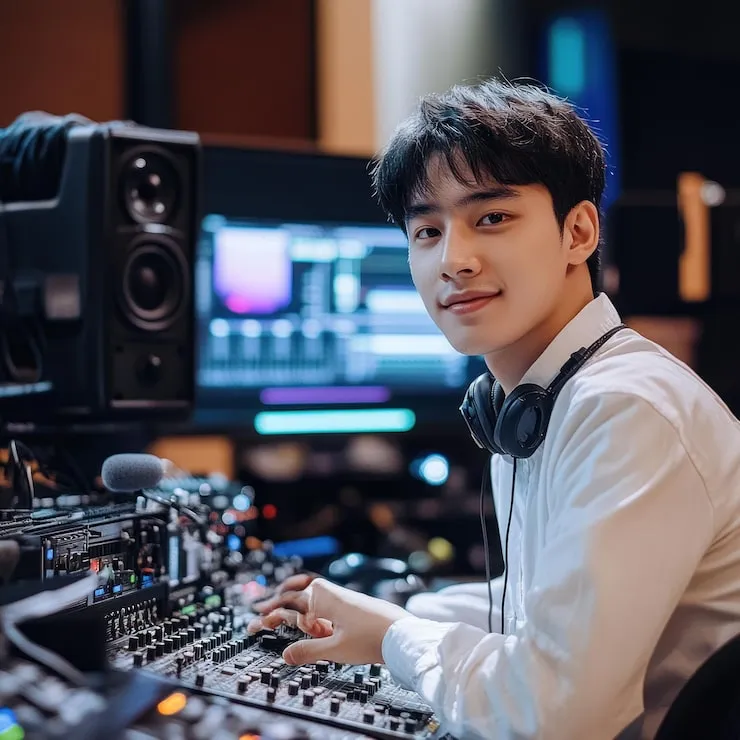
Editors review footage, select the strongest takes, and create a sequence that supports the video’s pacing and narrative flow. Additional enhancements such as color grading, visual effects, motion graphics, and sound synchronization help elevate the overall quality of the production.
Post-production often determines how effectively the creative vision is communicated to the audience.
The Value of Professional Production Support
Creating a successful music video requires expertise across multiple disciplines. Many artists and brands choose to work with an experienced production company in Korea to manage the complex process from concept development through final delivery.
Professional production teams bring together creative talent, technical knowledge, and project management skills that help ensure a smooth workflow. Their experience allows artists to focus on performance and creativity while production specialists handle the operational and technical aspects of the project.
Conclusion
Behind every successful music video is a combination of creative planning, technical execution, and collaborative teamwork. From concept development and pre-production to filming and post-production, each stage contributes to the final result. As audiences continue to engage with music through visual platforms, high-quality production remains essential for creating memorable content that captures attention and strengthens an artist’s connection with viewers.