


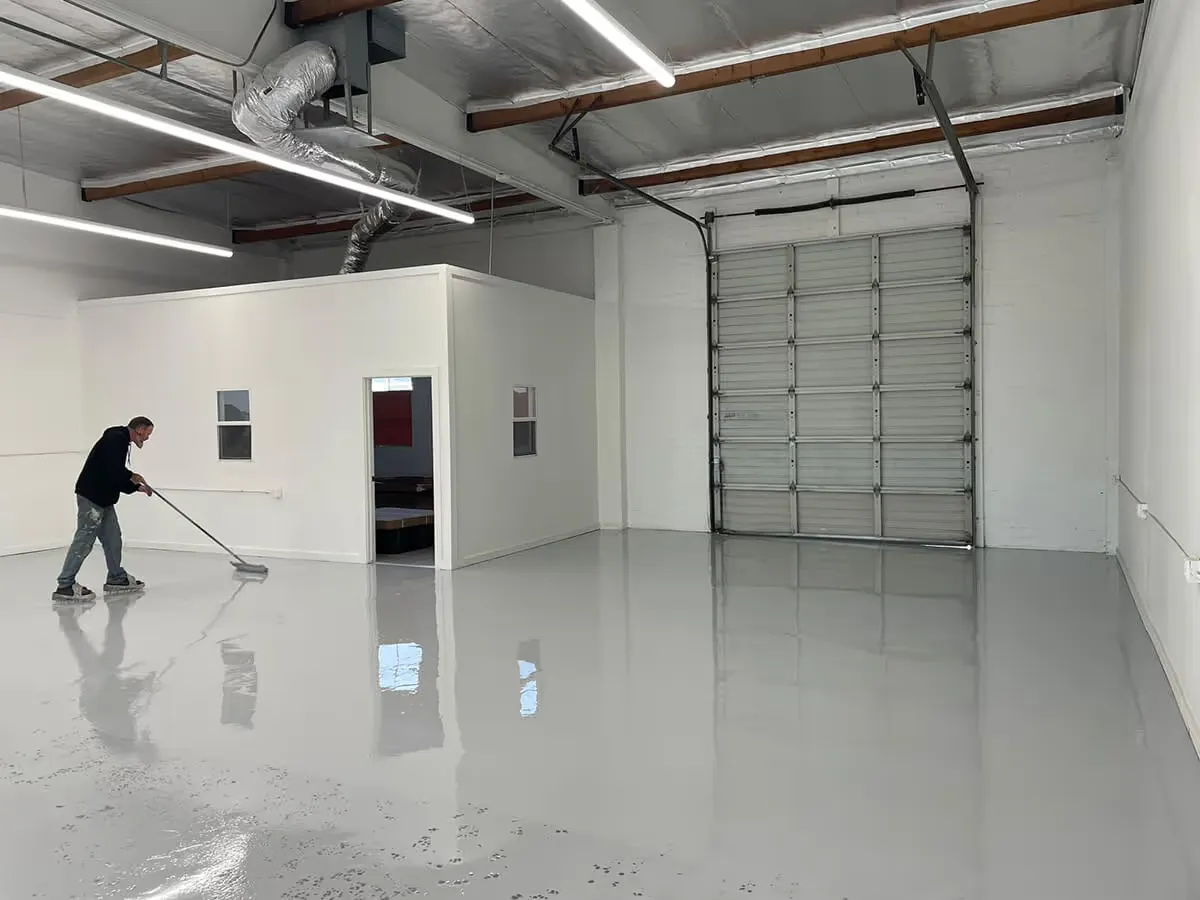
A community theater is more than a stage surrounded by audience seating. Behind every performance are rehearsal rooms, backstage corridors, costume storage areas, and spaces where volunteers prepare equipment. These areas experience different activities throughout the production schedule, making flooring an important consideration during renovation.
Theater managers exploring floor coating services should begin by identifying how each part of the building is used. A surface suitable for a lobby may not meet the requirements of a performance stage or technical workshop. Understanding these differences helps organizations plan improvements without sacrificing the practical needs of performers, employees, and visitors.
Backstage Areas Experience Constant Movement
During performances, backstage corridors may become busy with performers, stagehands, and equipment moving between designated locations. Large props, costume racks, and wheeled storage units can create different demands from ordinary pedestrian traffic. Managers should observe how equipment moves during rehearsals and performances before changing the layout.
Narrow passages and abrupt floor transitions may complicate movement, particularly when large objects are being transported. The flooring should support the intended activities while preserving required access routes. Decorative improvements must not interfere with emergency exits or established backstage safety procedures.
Performance Stages Have Specialized Requirements
A stage is not an ordinary commercial floor. Depending on the production, performers may dance, move quickly, or perform activities requiring particular traction and surface characteristics. Some performances require purpose-designed stage flooring or appropriate temporary performance surfaces. An ordinary decorative resin coating should not automatically be selected for areas where performers need specialized support.
Theater managers should consult qualified stage professionals and review relevant performance requirements before changing the main stage surface. Material suitability should reflect actual use rather than appearance alone.
Equipment Workshops Need Practical Surfaces
Community theaters may contain workshops where scenery, props, and other production materials are assembled or repaired. These spaces can involve tools, workbenches, paints, adhesives, and equipment movement. A flooring assessment should consider the activities performed and the substances used.
Important planning factors include:
-
Equipment loads: Review the requirements of workbenches and machinery.
-
Material handling: Maintain suitable routes for moving scenery.
-
Chemical exposure: Check compatibility with workshop products.
-
Cleaning: Identify appropriate methods for dust and debris.
-
Storage access: Keep tools and materials organized.
Flooring improvements cannot replace ventilation, dust control, or other workshop safety measures.
Lobby Flooring Supports the Visitor Experience
The theater lobby creates the first impression for visitors. Ticket collection, refreshments, seating, and conversations may all take place within a relatively small area. During busy performances, the lobby can experience concentrated pedestrian movement. Managers researching epoxy flooring near me should consider whether a proposed system is suitable for the existing concrete and intended lobby activities.
Slip resistance, cleaning requirements, and accessibility may influence the selection. Decorative appearance can contribute to the interior, but technical performance should remain an essential part of the decision.
Renovation Timing Must Respect Performances
Community theaters often operate around rehearsals, ticketed productions, workshops, and volunteer schedules. A flooring project can affect several activities even when work is limited to one room. Managers should identify suitable renovation periods before confirming contractor availability.
Preparation, application, and return-to-service requirements must follow the selected flooring system’s technical specifications. Temporary closures should also account for safe building access and equipment storage.
A realistic schedule helps avoid reopening areas before installation requirements have been satisfied.
Acoustic Considerations Extend Beyond the Stage
Theater buildings depend on controlled sound. Footsteps, moving furniture, and equipment activity can become distracting when noise travels into performance spaces.
Flooring materials may influence sound reflections or impact noise, but their effects depend on the complete building assembly.
Walls, ceilings, doors, and room arrangements also contribute to acoustic performance.
Managers should avoid assuming that one decorative floor can resolve complex sound problems.
Where acoustic control is important, qualified specialists can assess appropriate materials and construction details before permanent changes are made.
Maintenance Should Follow Each Room’s Function
A theater may require different cleaning procedures for its lobby, backstage corridors, workshops, and performance areas.
Maintenance should reflect the installed materials and manufacturer guidance.
Employees and volunteers should understand how to report surface damage, loose transitions, or other concerns.
Regular inspections can help identify deterioration before it affects scheduled activities.
Keeping records of flooring products and completed repairs also supports future renovations, particularly when different volunteer teams manage the building over time.
Conclusion
Community theaters require flooring decisions that recognize the different activities taking place throughout the building. Performance stages, backstage corridors, workshops, and public lobbies may need different surface characteristics and maintenance arrangements. Accessibility, equipment movement, acoustics, and production schedules also influence renovation planning. Organizations exploring services through epoxysurfaceprosca.com can consider these factors when discussing suitable improvements. By matching flooring decisions to individual room functions, theater managers can create practical environments that support performances without overlooking technical requirements or the responsibilities involved in operating a public venue.