


Homes rarely announce a problem with one dramatic failure. A door begins catching at the top, a baseboard looks swollen, or a ceiling develops a pale ring. People searching for Handyman Covington GA often have several such concerns rather than one large renovation in mind. Knowing which clues matter can keep repairs manageable.
The useful approach is to investigate patterns, not simply cover visible marks. A stain may point toward a plumbing leak, damaged flashing, or condensation. Fresh paint can hide the evidence for a few weeks, but it cannot stop moisture from entering a wall. Start with observation before reaching for tools.
When Doors Stop Behaving
A sticking interior door is not automatically a structural emergency. Humidity can swell timber, and loose hinges may gradually shift the slab out of alignment. Check whether the problem changes with the weather. Look for scraped paint, gaps that taper, and screws that no longer grip the frame.
A repair might require hinge adjustment, a small amount of planing, or attention to the surrounding frame. The phrase Handyman Services Covington GA is useful when looking for someone who can evaluate several modest repairs together. Persistent movement around multiple openings deserves closer inspection before cosmetic work begins.
The Meaning of a Ceiling Mark
Water travels farther than many homeowners expect. A discolored patch beneath an upstairs bathroom might originate at a pipe joint, a tub seal, or a connection several feet away. Record when the mark grows: after showers, heavy rain, or prolonged air-conditioning use. Timing gives a repairer valuable clues.
Never treat a wet ceiling as just a painting project. Damp drywall can lose strength, while hidden insulation may retain moisture. If water is near lights or wiring, avoid handling the affected area until the electrical hazard has been assessed. Identify and stop the source before replacing finishes.
Soft Timber Around the Edges
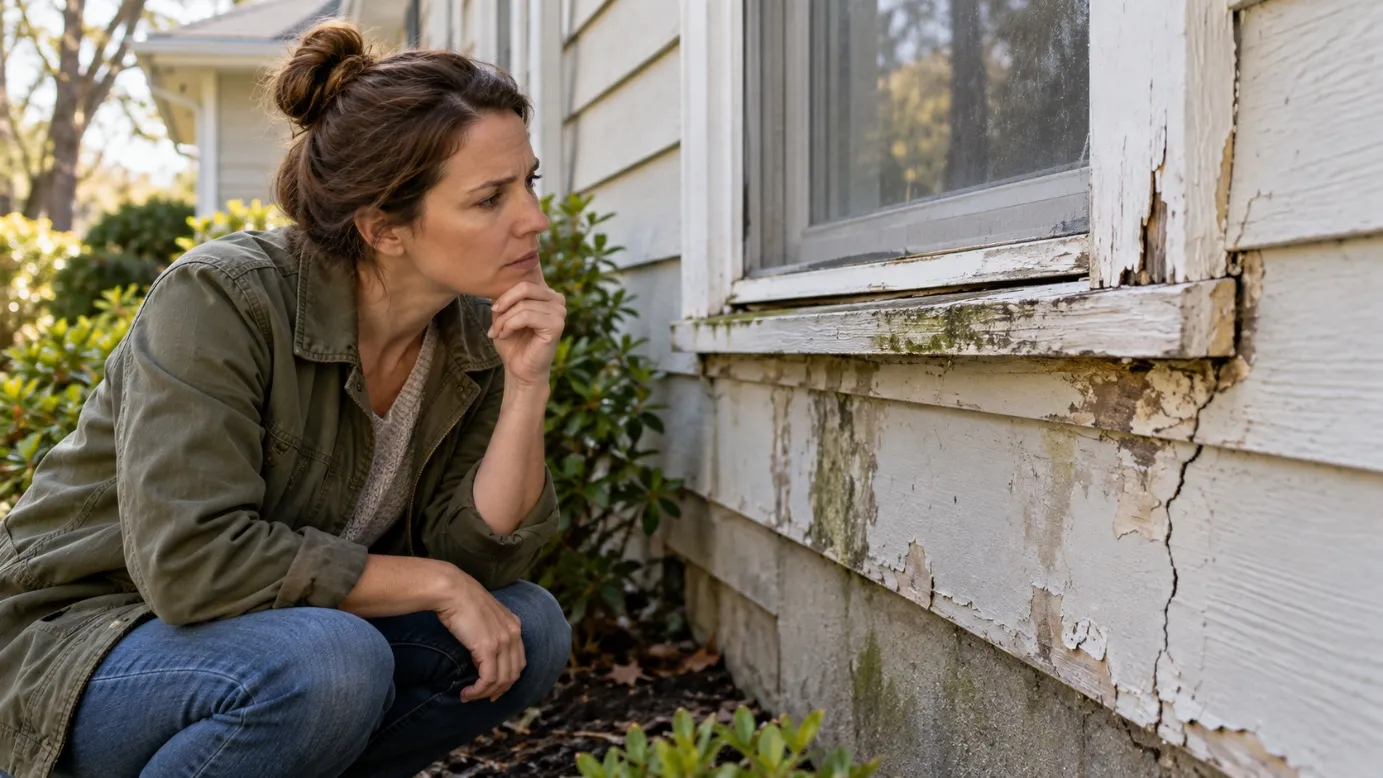
A porch post, windowsill, or exterior trim board may look sound from a distance and crumble when gently probed. Rot tends to develop where water lingers around joints or end grain. Peeling paint and recurring dark patches deserve attention, especially after a humid summer, or weeks of rain.
The extent of damage determines whether localized replacement is appropriate. A decorative trim board is different from a load-bearing support. Ask what caused the wood to stay wet and whether nearby materials are affected. Otherwise, a neat-looking repair may simply conceal the conditions that caused the first failure.
Maintenance Needs a Calendar
A useful household calendar need not be complicated. Inspect caulk around wet areas, look under sinks for slow drips, check the seal of exterior doors, and remove debris from drainage routes. Small checks are easier to complete when attached to seasonal routines rather than postponed indefinitely.
Photographs help track changes that memory misses. Take a picture of a suspicious crack with a ruler beside it, then compare a few weeks later. Keep receipts and brief notes about previous work. That record is especially helpful when different tradespeople visit the property over several years.
Repair Work Without Surprises
Before booking any repair, describe the symptoms rather than prescribing a solution. Instead of saying that a wall needs repainting, explain when the stain appeared and whether the area feels damp. A clear description helps a contractor plan the inspection, and bring suitable equipment.
Request a written scope that separates diagnosis, materials, preparation, and finishing. Ask how unexpected damage will be discussed before work expands. You do not need to understand every tool, but you should understand what is being repaired, what is excluded, and how completion will be checked.
A Picture Can Tell the Story
Photograph each defect in both close-up and wider context. The wide shot shows location; the close-up shows the material and extent. Include one image after rainfall if moisture is involved, but never enter an unsafe area to obtain it.
A dated record also helps reveal whether a problem is spreading. Compare like-for-like angles, not just memories of how a surface appeared. Consistent evidence supports better decisions about when to arrange an inspection.
Conclusion
Careful repairs begin with noticing what has changed, then tracing the reason. A house becomes easier to look after when small warnings are documented and addressed in the right order.
For homeowners comparing local repair options, abclabors.com provides a starting point for exploring residential maintenance services. A clear description of the problem is still the best preparation for a productive conversation.