


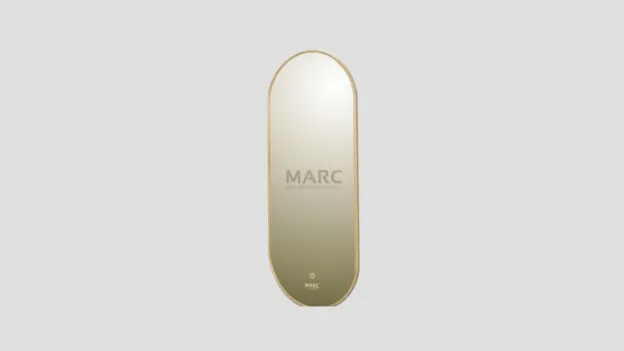
A salon mirror does more than reflect a client’s appearance. It helps stylists assess shape, balance, colour, and finish while giving clients a clear view of their service for clients and staff. As interiors give greater attention to lighting and visual detail, salon wall mirrors with backlighting are being considered for both appearance and practical use. Their glow can define a styling station.
Backlit mirrors are not simply decorative additions. Their effect depends on proportions, surrounding lights, workstation arrangement, and services performed. Together, these elements can create a coordinated, comfortable styling area. Understanding their role helps owners assess their suitability.
Understanding Backlit Mirrors in Salon Interiors
A backlit mirror has a light source positioned behind its reflective surface. Illumination may create an edge glow or spread through a diffused section behind the glass. The reflective surface remains central, while lighting adds a subtle visual outline that frames the station neatly.
In a salon, this arrangement can define a styling station and give the mirror an integrated appearance. Backlighting is one part of the lighting plan, not an automatic replacement for task lighting. Stylists still need suitable illumination to assess details during cutting, colouring, and finishing services with confidence. The lighting should support clear reflection without overpowering the room.
Why Backlit Mirrors Are Becoming a Design Preference
Salon interiors combine practical work areas with a visual identity clients notice when they enter. Backlit mirrors can support this balance by creating a focal point around each station. Their glow can distinguish the mirror without extra decorative pieces.
Similar shapes, sizes, or lighting effects can establish consistency between workstations. The choice should suit the salon’s design rather than follow a trend without purpose. A balanced interior considers comfort, visibility, maintenance, and staff needs as well as appearance, keeping service quality central. This makes the design choice relevant beyond its initial visual impact.
How Backlighting Shapes the Styling Area
Lighting around a mirror influences how the workstation is perceived. A soft outline can add depth to a plain wall, while diffused light may make the styling area feel less visually heavy. These effects suit layouts with repeated mirrors, chairs, and storage units.
Wall colour, flooring, furniture surfaces, ceiling lights, and natural light all influence the mirror’s appearance. A mirror may look different in the actual salon. Reviewing the complete setting helps owners choose a lighting effect that supports the interior instead of competing with it, across the full room.
The Design Elements That Make Backlit Mirrors Stand Out
The appearance and usefulness of a backlit mirror depend on connected details. These details help owners compare models for their styling area.
1. Light Position and Diffusion
Light position determines where the glow appears. Edge lighting creates a defined outline, while diffused lighting produces a softer effect. A well-diffused source can reduce distracting bright points. Product specifications should explain the lighting pattern rather than relying on the word “backlit” alone, making comparisons clearer.
2. Brightness and Colour Temperature
Brightness should suit the mirror and surrounding lighting. Excessive illumination may feel uncomfortable, while dim lighting may contribute little. Colour temperature influences atmosphere, ranging from warmer tones to cooler-looking light. For colour services, consider backlighting alongside task lighting so stylists can assess results appropriately throughout appointments.
3. Mirror Size and Proportion
The mirror should relate to workstation width and available wall space. A large model creates a stronger visual presence, while a compact option may suit a narrow station. Proportion affects how lighting reads. The choice should account for the wall, chair, and working distance, including client visibility.
4. Shape, Frame, and Finish
Shape influences the styling area’s character. Rectangular mirrors support structured layouts, while rounded outlines may soften straight lines. A wall decor mirror can become part of the interior composition, but it must provide a practical reflection and suit the station’s needs. Frame finishes should coordinate with nearby furniture and be manageable to clean between appointments.
5. Installation and Electrical Planning
Backlit models require secure mounting and suitable electrical arrangements. Confirm the power connection, mounting method, maintenance access, and placement near other equipment. Fix the mirror at a suitable height. Professional installation may be appropriate where electrical work or wall preparation is required, following applicable safety guidance.
Integrating Backlit Mirrors Into Everyday Salon Operations
A mirror must support the work taking place in front of it. Clear reflection and comfortable illumination help stylists review a cut, finish, or colour, while clients can follow consultations and view results. Backlighting should not interfere with visibility or create glare during appointments, especially during detailed services.
Operational planning includes access, cleaning, and control. Staff should be able to switch mirror lighting without disrupting other equipment. Keep tools and products from obstructing the reflection. These steps keep the feature useful during daily salon activity.
What to Consider Before Choosing Backlit Mirrors
Compare a model’s specifications with the salon’s layout, services, and interior plan. This helps owners assess appearance, lighting, and installation before purchase.
● Check dimensions against wall space and workstation width.
● Review light position, brightness, and colour temperature.
● Confirm whether separate task lighting is needed.
● Verify mounting and electrical arrangements.
● Compare shape, frame, and finish with nearby furniture.
● Ask about cleaning guidance and maintenance access.
These checks connect visual appeal with practical use. A suitable model should fit the salon’s workflow and interior plan. Confirming details before purchase can help create a cohesive styling area and reduce avoidable installation changes, delays, and extra work.
Conclusion
Backlit mirrors are becoming a considered feature in salon interiors because they combine a defined visual effect with the practical role of a styling mirror. Their value depends on balanced illumination, suitable proportions, safe installation, and coordination with the salon’s lighting and furniture plan. A round mirror design can soften a workstation’s appearance while serving professional daily styling needs, provided its size and lighting suit the space.
For salon owners planning a cohesive interior, MARC Salon Furniture offers professional salon furniture and equipment, including mirror options that can complement styling stations. Its range helps businesses consider appearance and practical requirements together, supporting a polished setup for professional salon services.