


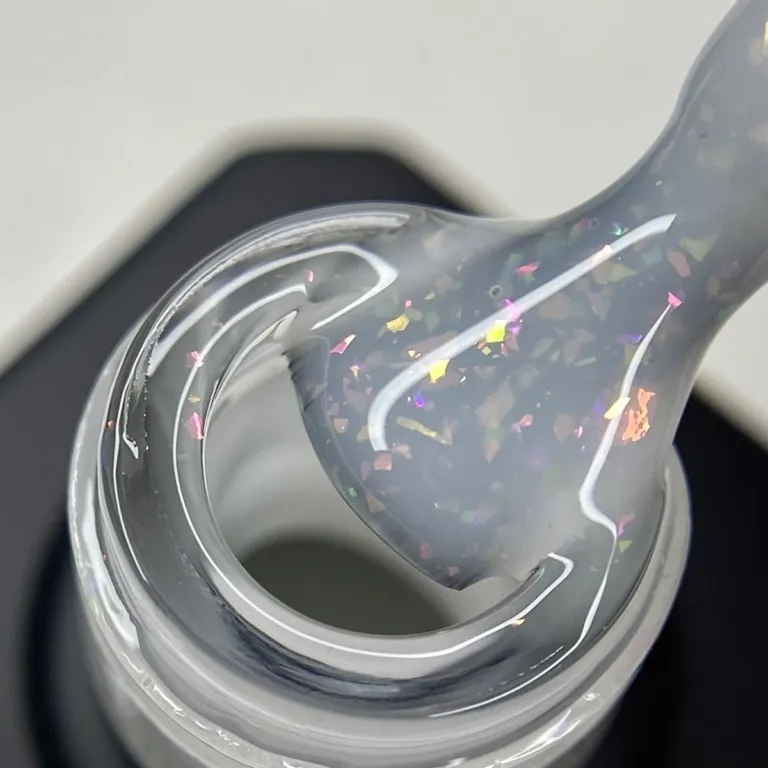
A structured gel manicure does not have to look thick or heavily built. In fact, some of the most refined salon results are created when the extra support is barely noticeable. The nail looks smooth, balanced and natural, even though the technician has carefully adjusted its shape underneath the colour.
Achieving that result requires more than simply choosing a thick base. Product placement, nail proportions and the final profile all matter. When these elements are handled carefully, structure can improve the appearance of the manicure without making it look artificial.
Start by Reading the Nail Shape
Every natural nail has its own profile.
Some nails are flat through the centre, while others curve more noticeably. One sidewall may also sit slightly higher than the other. These differences can be subtle, but they become much easier to see once a glossy gel finish is applied.
Before adding product, technicians should look at the nail from the side as well as from above. This makes it easier to decide where a small amount of additional structure may help.
The goal should be correction, not exaggeration.
Use the Base to Improve Balance
A structured base can help create a smoother surface when the natural nail has minor unevenness.
The Gama base range gives technicians another option when selecting professional base materials for gel manicure work. When using any thicker base, however, the amount should be determined by the shape of the individual nail.
Applying one large bead to every nail can lead to inconsistent results because not every nail needs the same correction.
A more controlled method is to create a light initial layer and then guide additional material only where it is needed.
Keep the Cuticle Area Visually Light
One of the quickest ways to make a manicure look bulky is to place too much product near the cuticle.
This area should usually remain relatively thin so that the gel appears to grow naturally out of the nail rather than sitting heavily on top of it. A smooth transition also makes regrowth less visually abrupt.
Technicians can work with a smaller brush load near the cuticle and gradually move material toward the centre of the nail.
This creates a more natural-looking profile while still allowing structure to be added where necessary.
The Apex Should Not Dominate the Nail
When additional shape is created, the highest point should look proportionate to the nail’s length.
An exaggerated apex on a short natural nail can make the manicure appear unnecessarily thick. On a longer nail, however, some additional structure may help create a more balanced silhouette.
Rubber-style products such as those associated with Zemlyanikina can be incorporated into structured manicure techniques when used according to the product instructions and the condition of the natural nail.
What matters most is not how much product is used, but where it is placed.
Use Reflections to Check the Surface
A glossy gel surface can reveal unevenness very clearly.
Technicians can use reflected light as a practical visual guide before curing. When a light source creates a smooth, continuous reflection across the nail, the surface generally appears more even.
If the reflection breaks sharply or looks distorted, there may be too much or too little product in one area.
This technique can be particularly useful with self-levelling materials because the surface may continue to move slightly before it is cured.
File Only What Needs Correction
Good application can reduce the need for extensive filing.
If the base has already been shaped carefully before curing, the technician may need only minor refinement afterwards. Excessive filing can remove the structure that was intentionally created and add unnecessary time to the appointment.
When filing is needed, the sidewalls, free edge and overall profile should be checked together.
The objective is to refine the shape rather than rebuild it through filing alone.
Colour Should Preserve the Shape
Once the structure is complete, the colour stage should remain controlled.
Thick coats of gel polish can undo the clean profile created underneath. Thin, even colour layers are usually better for maintaining the shape.
The same principle applies to the top coat. It should finish and protect the manicure without adding unnecessary bulk.
Looking at the completed nail from several angles before the client leaves can help identify small differences in thickness that may not be obvious from above.
Natural-Looking Does Not Mean Flat
A natural appearance is not the same as having no structure.
The best result is often a nail that looks effortless while still having enough support and balance for the chosen length. The structure should enhance the natural nail rather than becoming the most noticeable feature.
This approach can also make neutral colours, sheer finishes and minimalist designs look more refined because the surface beneath them is smooth and proportionate.
Conclusion
A natural-looking structured manicure depends on restraint. The technician should add only what the nail actually needs, keep the cuticle area light and shape the profile with intention rather than volume.
That approach allows the structure to do its job without becoming visually dominant. Nail professionals comparing different base systems and application options can use kodiprofessional.com as a source for professional products while building techniques that prioritise balance over excessive thickness.