


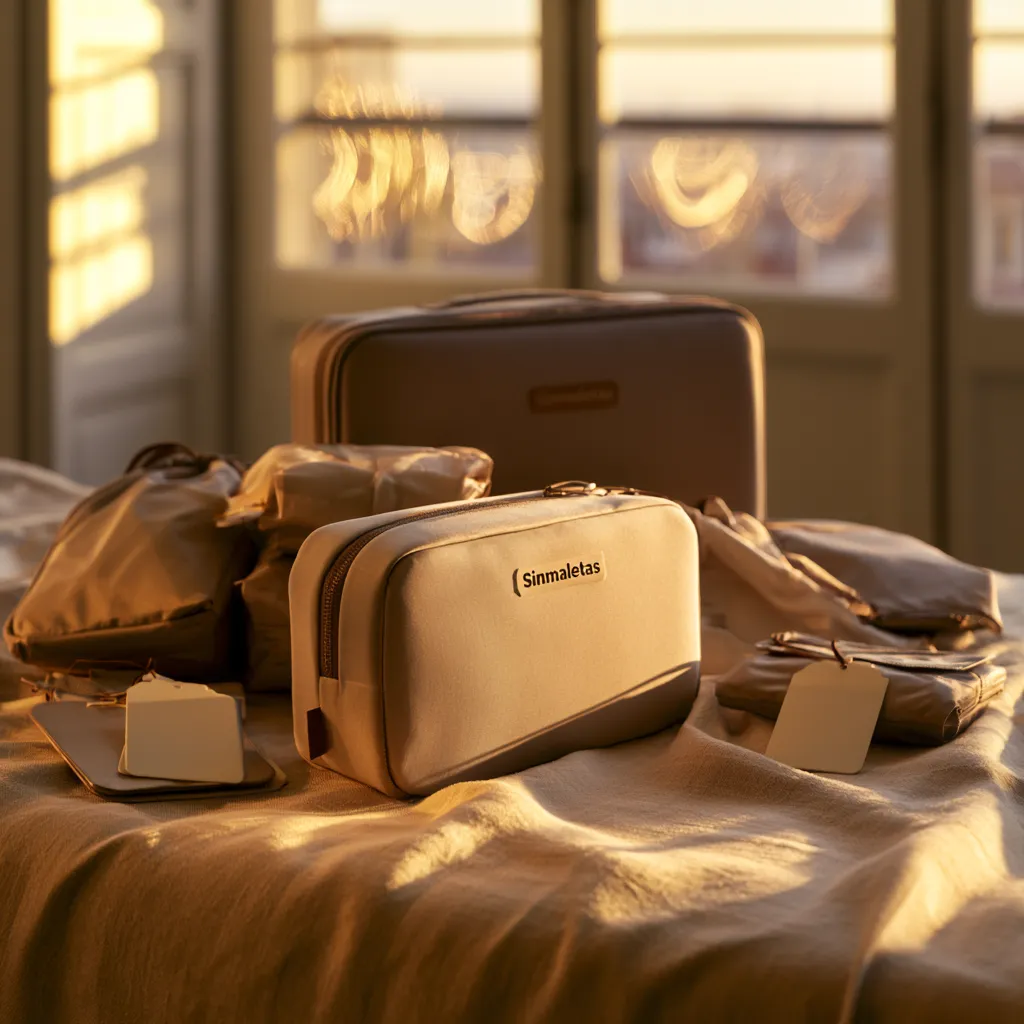
Travel products are easy to buy emotionally. A suitcase looks sleek in a photo, a backpack promises perfect organization, and a clever accessory seems capable of removing every airport inconvenience. The real test begins after the journey starts. Wheels hit rough pavement, bags are lifted into overhead racks, zippers are opened repeatedly, and every unnecessary item becomes extra weight. Practical travel gear reviews can help travelers compare options, but the decision should still begin with the trips they actually take rather than the trips shown in advertising.
Picture the Full Journey
A weekend city break, a business trip, and a three-week international vacation create different demands. Before buying luggage or accessories, think through the route from home to destination.
Will the bag be checked or carried on? Will there be stairs, trains, buses, cobblestones, or long walks between terminals? Will the traveler change hotels often? Is storage space limited at the destination?
These details influence size, empty weight, handle design, wheel quality, and internal organization. A large hard-shell case may work well for one traveler but become inconvenient for someone who frequently uses public transportation.
Keep Weight in Perspective
Capacity gets most of the attention, but the empty weight of luggage matters too. A heavy case uses part of the airline allowance before anything is packed. The same applies to backpacks, toiletry kits, camera bags, and tech organizers.
Lighter is not automatically better. Thin materials or minimal hardware may reduce weight but can also affect durability. The goal is a reasonable balance for the trip style.
Extra compartments, integrated locks, compression panels, USB ports, tracking pockets, and expandable sections can all be useful. The important question is whether they are used often enough to justify their weight and complexity.
Think Beyond Luggage
Good lifestyle product recommendations can also help travelers think about the smaller items that shape comfort on the road. Water bottles, daypacks, compact organizers, walking accessories, sports gear, and reusable products may all have a place depending on the trip.
The key is to avoid turning preparation into a collection of single-purpose gadgets. A small item is worth packing when it solves a problem that appears repeatedly. A dependable daypack may be useful on almost every trip, while a novelty accessory designed for one rare situation may never leave the suitcase again.
Choose versatility when space is limited.
Test Convenience Before Departure
The first serious test should happen at home, not at the airport. Pack the suitcase with realistic weight and move it around. Wear the backpack for at least twenty minutes. Fill the toiletry bag. Test adapters, chargers, locks, and organizers before relying on them.
A simple pre-trip check can reveal problems such as:
-
straps that dig in under weight;
-
compartments that are difficult to reach;
-
wheels that catch on uneven surfaces;
-
a handle that feels unstable when fully extended;
-
organizers that take more room than they save.
Finding these problems early gives travelers time to exchange the item or change the packing plan.
Check Repair and Replacement Options
Travel gear takes more physical abuse than many everyday products. Wheels, handles, buckles, and zippers can fail, especially when bags are checked frequently.
For expensive luggage, check whether replacement parts or repairs are available and what the warranty actually covers. It is also worth thinking about how easily essential accessories can be replaced during a trip.
A standard charging cable is usually easy to find. A specialized battery, unusual adapter, or proprietary connector may not be. If a small item is critical, carrying a simple backup can be sensible.
Do Not Ignore Security
Security is more than a lock. Strong zippers, dependable closures, discreet pockets, and sensible organization can reduce unnecessary handling of valuables.
Important documents, medication, electronics, and small essentials should be accessible without opening the entire bag in a busy place. At the same time, they should not sit in an obvious external pocket that is easy to reach.
Travelers should also follow airline and local requirements for locks, batteries, and restricted items rather than relying only on product marketing.
Conclusion
Travel gear should support the journey rather than become another thing to manage. Choose equipment around the trips you really take, consider weight and durability, test everything before departure, and think about repair or replacement if something fails. Reviews can help identify useful options, but real value comes from fit, reliability, and versatility. When a product works quietly from the first airport queue to the final walk home, it has earned its place in the bag.