


 When people plan a trip to Everest, they usually focus on the mountains.
That makes sense. The giant peaks are impossible to ignore.
But the Everest region is also home to people whose daily lives are closely connected to these mountains. Villages, tea houses, monasteries, local guides, porters, and mountain families all form an important part of the experience.
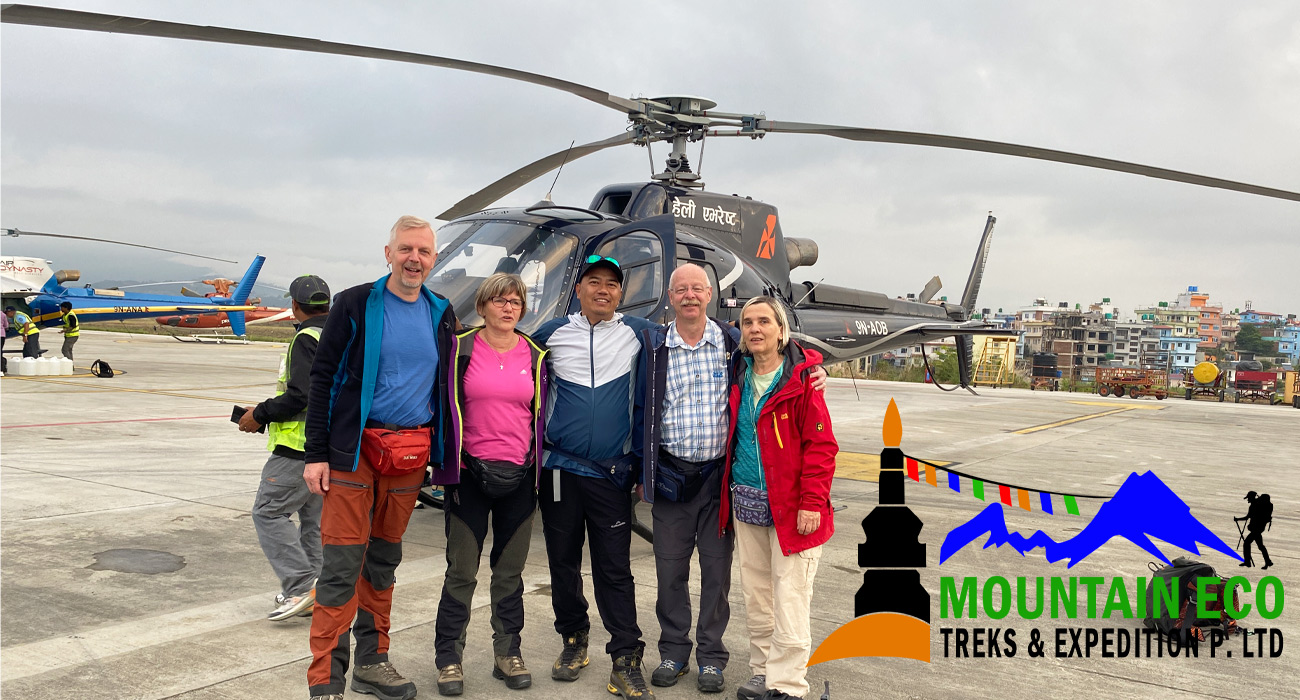
The Everest Base Camp Trek With Helicopter Return gives travelers time to see this side of the region. You walk through communities, meet people along the route, reach Everest Base Camp, and later return through the mountains by helicopter when conditions allow.
The scenery may attract you to the Khumbu, but the people can make the journey feel much more personal.
Meet the Communities of the Khumbu
The Everest region is not an empty mountain landscape.
People live and work throughout the valleys and villages you pass during the trek. Tourism has become an important part of the local economy, but daily life involves much more than serving visitors.
Villages Are Living Places
When you walk through a settlement, look beyond the trekking lodges.
You may see homes, small shops, children heading about their day, people carrying supplies, or locals working around their properties.
These ordinary scenes help you understand that the trail passes through real communities rather than a place created only for tourists.
Learn From the People Who Know the Mountains
A local guide can change the way you experience the route.
Instead of simply telling you where to walk, a knowledgeable guide can explain the landscape, culture, weather, and traditions you encounter.
Ask About What You See
Do not be afraid to ask questions.
Why is a particular mountain important? What does a prayer flag represent? How do supplies reach a remote village?
Small questions can lead to interesting conversations.
You may finish the trek knowing far more about the region than you expected.
Porters Are Part of the Trekking Story
Porters play an important role in Himalayan tourism.
They help move luggage and supplies along trails where vehicles cannot travel.
Their work requires strength, experience, and knowledge of mountain conditions.
Pack With Their Work in Mind
One simple way to travel more responsibly is to avoid carrying unnecessary belongings.
Every extra item adds weight somewhere in the system.
Pack carefully and bring what you genuinely need.
Responsible trekking begins before you even reach the trail.
Tea Houses Bring Travelers Together
After hours of walking, the tea house often becomes the center of the evening.
People sit together, eat, drink tea, charge devices when possible, and talk about their day.
Shared Tables Create Unexpected Friendships
You may meet travelers from countries you have never visited.
One person may be on their first major trek. Another may have spent years hiking around the world.
The shared experience gives everyone something to talk about.
A short conversation over dinner can become one of the memories you carry home.
Respect Local Religious Traditions
The Everest region has deep Buddhist traditions.
You will see prayer wheels, mani stones, monasteries, chortens, and prayer flags along parts of the route.
These places and objects have meaning for local communities.
Observe Before You Interact
If you are unsure about the proper way to behave, ask your guide.
Avoid touching religious objects unnecessarily, and never climb on sacred structures simply to get a better photograph.
Respect does not require complicated rules.
It starts with understanding that the place has meaning beyond tourism.
Photography Needs Some Thought
The mountains are obvious subjects for your camera.
People deserve a little more consideration.
Ask Before Taking Close-Up Photos
A quick photograph from a distance is different from putting a camera directly in someone’s face.
When you want a close portrait, ask first.
This simple habit shows respect and often creates a better interaction anyway.
People are more likely to smile naturally when they know what you are doing.
Local Food Tells Part of the Story
Meals along the trail can be simple, but they are an important part of mountain life.
Rice, lentils, vegetables, potatoes, soups, noodles, eggs, and tea are common choices.
Try Something Local
You do not have to eat unfamiliar food every day.
But trying local dishes can add another layer to your trip.
Food is one of the easiest ways to experience a place because it connects travel with everyday life.
After a long day of walking, a hot meal also has a practical benefit: it helps restore your energy.
The Trail Connects More Than Villages
A trekking route is not just a line on a map.
It connects homes, religious sites, shops, lodges, fields, rivers, and communities.
You may notice people using the same paths for purposes completely unrelated to trekking.
Walk With Awareness
Do not block narrow paths while taking photographs.
Give way when necessary.
Be especially careful around pack animals and follow your guide’s instructions.
Good behavior on the trail makes the journey safer for you and everyone around you.
High Altitude Changes Your Relationship With Time
At higher elevations, the day can feel slower.
Walking takes more effort. Breaks become important. You may spend more time simply sitting and looking at the landscape.
Let the Mountain Set the Pace
Trying to rush can take away from the experience.
Walk steadily and give your body time to adjust.
The Everest Base Camp Trek With Helicopter Return still requires genuine physical effort. The helicopter only changes the return portion; it does not remove the challenge of reaching Base Camp.
The Helicopter Gives You a Different Connection to the Region
After reaching Base Camp, the Everest Base Camp Trek With Helicopter Return offers a dramatic change.
Instead of continuing on foot through the same valleys, you can travel above them when weather and operating conditions permit.
See the Communities From Above
The villages you visited earlier can appear tiny from the air.
Trails become narrow lines across huge slopes.
The flight helps you understand the scale of the region in a way that walking cannot.
You have experienced the Khumbu from inside its valleys. Now you see how those valleys fit together.
Remember That Mountain Flights Depend on Nature
A helicopter journey is fast, but it is not completely controlled by your schedule.
Weather, visibility, wind, and safety conditions can affect operations.
Keep Your Itinerary Flexible
If you have an important flight home, leave enough time after the planned helicopter return.
Do not build your schedule around perfect conditions.
A little extra time is much cheaper than the stress caused by a missed connection.
The People Give the Mountains a Human Story
The Everest Base Camp Trek With Helicopter Return is much more than a route toward a famous mountain.
The scenery is extraordinary, but the people you meet help explain why the region feels alive.
Walking through villages lets you see daily life at ground level. Conversations with guides can give meaning to the landscape. Tea houses create moments of connection between strangers. Local customs remind you that you are visiting a place with its own history and traditions.
Then the helicopter return offers one final perspective, taking you above the valleys and giving you a broader view of the world you have just experienced.
If you travel with curiosity and respect, you will return with more than photographs of Everest. You will have a better understanding of the people and communities that make the journey possible.
Frequently Asked Questions
Who are the main people travelers meet during the trek?
You may interact with local guides, porters, tea house owners, shopkeepers, other trekkers, and residents of mountain villages.
Should I ask permission before photographing local people?
Yes, especially for close-up or posed photographs. Asking first is a simple way to show respect.
Why are guides valuable beyond navigation?
Experienced guides can explain local culture, traditions, mountain conditions, and the places you encounter along the trail.
Does the helicopter return reduce the cultural experience?
No. The cultural experience happens mainly during the walking portion. The helicopter simply changes how you leave the region after reaching Base Camp.
Is the helicopter return affected by weather?
Yes. Safe weather and visibility are required for helicopter operations, so delays are possible.