


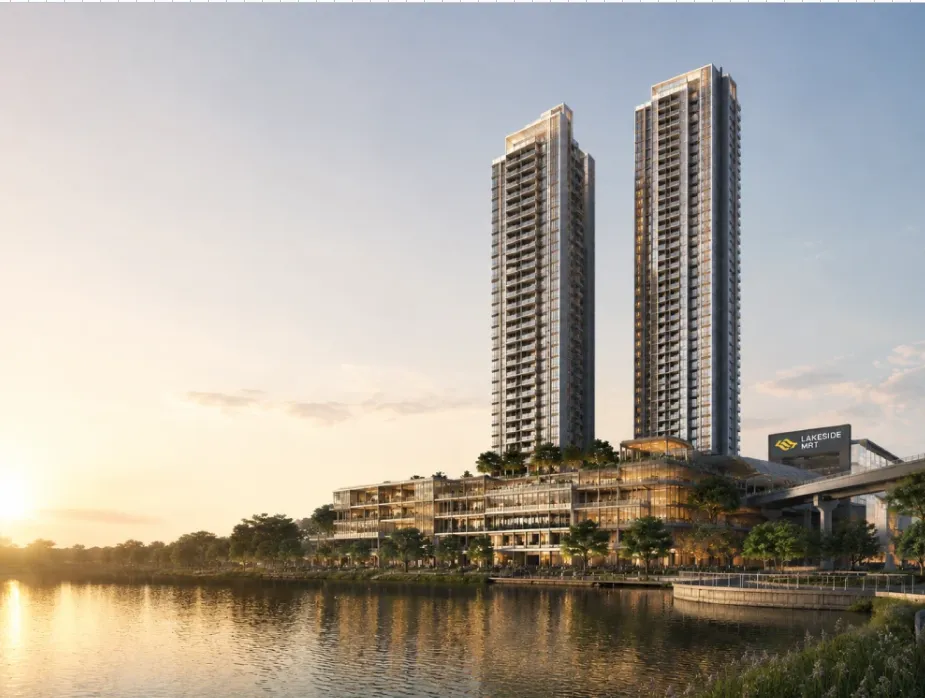
Buying a home later in life requires careful financial planning, especially when utilizing Central Provident Fund (CPF) savings. Many older buyers eyeing premium properties like the Thomson Reserve assume their accrued CPF Ordinary Account savings are readily available for any purchase. However, the Singapore government imposes strict age-related limits on CPF usage for property purchases. These rules ensure that citizens maintain sufficient retirement funds as they age. Understanding how your age interacts with the remaining lease of a condominium is crucial before shortlisting properties. Failing to grasp these regulations can lead to unexpected cash shortfalls during the transaction process, disrupting your retirement plans.
Understanding the Remaining Lease and the 95-Year Rule
The core regulation governing CPF usage for older buyers revolves around the remaining lease of the property. For a buyer to utilize the maximum allowed CPF savings, the property’s remaining lease must cover the youngest buyer until they reach at least 95 years of age. If you are 60 years old, the condominium you purchase must have at least 35 years left on its lease. When a property meets this criteria, you can use your CPF to pay up to the Valuation Limit of the property.
If the remaining lease does not cover the youngest buyer to age 95, CPF usage is pro-rated. This means you will need to pay a larger portion of the purchase price in cash. For instance, if you purchase a unit at the prestigious Lucerne Grand and the lease coverage falls short, your allowable CPF usage decreases proportionally. The calculation relies on a specific formula set by the Central Provident Fund Board that weighs your current age against the remaining lease. This rule prevents buyers from sinking their retirement funds into wasting assets that might lose value rapidly as the lease nears its end, leaving them asset-rich but cash-poor in their twilight years.
How Age Limits Affect Your CPF Valuation Limit
The Valuation Limit (VL) is the lower of the purchase price or the actual market valuation of the property at the time of purchase. For younger buyers, using CPF up to the VL is standard practice. However, older buyers must face tighter restrictions. If the property’s lease covers you to age 95, you can use your Ordinary Account (OA) savings up to the VL. To use CPF beyond the VL, you must meet the Basic Retirement Sum (BRS) or Full Retirement Sum (FRS) requirements in your accounts.
The Retirement Account Safeguard
Once you turn 55, the CPF Board creates your Retirement Account (RA) using savings from your Special Account and Ordinary Account. This transfer directly impacts the amount of OA funds available for housing. If you wish to buy a unit at Thomson Reserve, you must ensure that your remaining OA balance, after the RA creation, is sufficient to cover the down payment and monthly mortgage installments.
The Multiple Property Restriction
If you already own a residential property and plan to buy a second one, the rules become even stricter. You must set aside the current FRS in your Retirement Account before you can use any excess OA funds for the second property. This rule applies regardless of whether you choose a new launch or a resale development.
Financial Implications for Resale Versus New Launch Condos
Older buyers often debate between purchasing a brand-new condominium or a resale unit. This decision has massive implications for CPF usage. New launch developments, such as the upcoming Lucerne Grand, come with a fresh 99-year lease. This fresh lease easily satisfies the 95-year coverage rule for almost any buyer, regardless of age. Consequently, buyers can maximize their CPF usage without worrying about pro-rated limits, keeping their immediate cash outlay to a minimum.
Conversely, older resale properties present a different financial landscape. A resale condo built in the 1990s may only have 60 to 70 years remaining on its lease. If a 50-year-old buyer purchases such a property, the lease will expire before the buyer reaches age 95. In this scenario, the CPF Board restricts the total amount of OA savings that can be deployed. You will have to fund the shortfall using cash. While older resale condos often feature larger layouts and lower per-square-foot prices, the strict CPF limits mean you need substantial liquid cash on hand to complete the transaction. Balancing these upfront cash requirements against the long-term appreciation potential of newer developments is a critical step in your retirement planning.
Practical Financial Planning for Mature Condo Buyers
To avoid financial strain, mature buyers must conduct a thorough cash flow analysis before committing to a purchase. Start by obtaining a personalized CPF housing usage estimate from the CPF Board website. This tool calculates your exact withdrawal limit based on your age and the lease of your chosen property.
When planning your budget for a unit at the modern Lucerne Grand, consider these vital factors:
● Shrinking Bank Loan Tenures: Financial institutions limit the loan tenure based on the buyer’s age, often capping it at age 65 or 75.
● Higher Monthly Payments: Shorter loan tenures translate directly to higher monthly mortgage payments that you must service.
● Emergency Cash Buffers: It is wise to maintain a cash buffer equivalent to at least two years of mortgage payments to guard against unexpected expenses.
Knowing your exact CPF ceiling helps you negotiate the purchase price and arrange the necessary bank loans. If your CPF usage is capped due to the age-limit rules, you will have to service these high monthly payments using cash. This safety net protects your investment if you face unexpected medical expenses or transition into retirement earlier than planned, ensuring your home remains a source of security.
Final Thoughts

Securing a comfortable home for your retirement years is a worthy goal, but older condo buyers must approach the market with financial precision. The interaction between your age, the remaining lease, and CPF withdrawal limits can significantly alter the cash required for your purchase. Whether you prefer the established elegance of Thomson Reserve or the modern appeal of premium developments, understanding these regulatory boundaries ensures a smooth transaction. Always calculate your retirement account balances and potential loan tenures before making an offer. By aligning your property choices with CPF regulations, you can secure a beautiful home while preserving the financial freedom necessary to enjoy your retirement years to the fullest.