


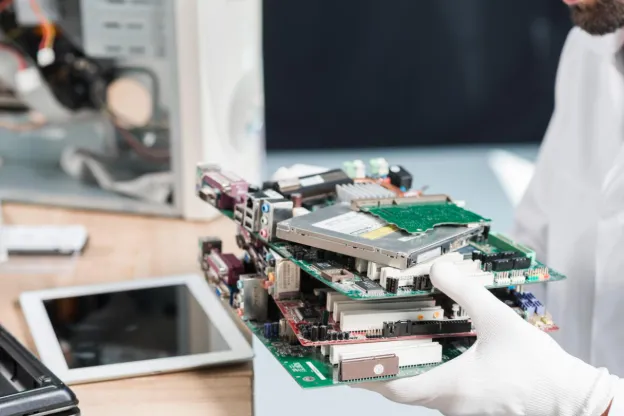
Electronic devices have become an essential part of modern life, but their rapid replacement has created a growing environmental challenge. Computers, laptops, mobile phones, servers, printers, networking equipment, and other electronic products eventually reach the end of their useful lives and need to be handled responsibly. Simply discarding such equipment can create environmental, security, and compliance concerns. This makes professional e waste management an important part of responsible business operations, particularly for organisations that regularly upgrade or replace electronic assets. A structured approach helps businesses manage unwanted equipment while supporting responsible recycling, recovery, and disposal practices.
What Is E-Waste Management?
E-waste management refers to the organised handling of electronic equipment that is no longer required, functional, economical to repair, or suitable for continued use. Unlike ordinary waste, electronic equipment can contain a combination of valuable, reusable, recyclable, and potentially hazardous materials. Circuit boards, cables, batteries, screens, metals, plastics, and other components may require different handling processes.
Effective management therefore involves much more than simply collecting old devices. It can include assessment, collection, transportation, sorting, data security, reuse, refurbishment, material recovery, recycling, and responsible disposal.
For businesses, having a structured process can make the transition from outdated technology to newer equipment more efficient while reducing the amount of electronic material that ends up in unsuitable disposal channels.
Why Is Proper E-Waste Management Important?
The increasing dependence on technology means organisations continuously purchase, upgrade, and replace electronic equipment. Over time, this can result in a considerable volume of obsolete assets.
Improper disposal may contribute to environmental pollution because some electronic components contain substances that require controlled handling. At the same time, valuable materials can be lost when devices are simply discarded rather than processed for recovery. Responsible management addresses both concerns.
A well-planned approach can help organisations:
● Reduce unnecessary landfill waste
● Recover reusable components and materials
● Support responsible recycling
● Improve asset management
● Protect sensitive information stored on devices
● Maintain better records of retired equipment
● Reduce the environmental impact of technology replacement
This makes e-waste management relevant not only from an environmental perspective but also from an operational and corporate responsibility standpoint.
What Happens to Electronic Equipment at the End of Its Life?
The journey of retired electronic equipment can vary depending on its condition and type. The first stage is usually collection and assessment. Equipment is examined to determine whether it can be reused, refurbished, dismantled, recycled, or requires specialised disposal.
Functional devices may have potential for reuse. Equipment that is no longer suitable for its original purpose may still contain components that can be recovered. Devices that cannot be reused are typically dismantled and separated into different material categories. Metals, plastics, circuit boards, cables, and other components can then enter appropriate recovery or recycling processes.
This approach is preferable to treating every retired device as ordinary waste because it recognises that electronic equipment contains materials with different recovery possibilities.
The Role of E-Waste Recycling
Recycling is an important part of responsible electronic waste handling. It allows materials from obsolete equipment to be recovered and processed for future use. Metals are particularly valuable because electronic devices can contain materials such as copper, aluminium, steel, and other recoverable elements. Certain components and plastics may also be processed through appropriate recycling channels.
The recycling process must be carefully controlled because electronics are complex products containing numerous materials. Dismantling and processing them without appropriate procedures can create unnecessary environmental risks. Businesses should therefore work with experienced providers that understand the requirements associated with different types of electronic equipment.
Data Security and E-Waste
One of the most overlooked aspects of disposing of electronic equipment is the information stored on it. A computer, hard drive, server, smartphone, or storage device may contain confidential business information, employee records, customer information, financial documents, passwords, or proprietary data.
Deleting files manually does not always provide sufficient assurance that information has been permanently removed. Depending on the storage technology and circumstances, specialised data sanitisation or physical destruction may be required. This is why responsible e waste management solutions in Dubai should consider information security alongside environmental responsibility.
A professional process can help businesses separate data-bearing equipment from ordinary electronic assets and ensure that the appropriate data destruction method is used.
Reuse Before Recycling
Recycling is valuable, but it is not always the first option. If electronic equipment is still functional and secure, reuse or refurbishment can extend its useful life. A device that is no longer suitable for one organisation may still serve another purpose after appropriate testing, repair, upgrading, and data sanitisation.
Extending equipment life can reduce the demand for new devices and the resources required to manufacture them. However, reuse should never compromise information security. Before equipment is transferred, resold, donated, or redeployed, sensitive information should be securely removed.
How Businesses Can Improve Their E-Waste Practices
Organisations can take several practical steps to establish a more effective electronic waste process.
Create an Asset Inventory
Businesses should maintain an accurate record of their electronic equipment. This makes it easier to identify devices approaching the end of their operational life. An inventory can include equipment type, location, asset identification information, condition, and retirement status.
Establish a Disposal Policy
A written policy can explain what employees should do when equipment becomes obsolete or damaged. This prevents staff from independently discarding electronic assets.
Separate Data-Bearing Devices
Computers, servers, storage drives, and mobile devices should be identified separately because they may contain sensitive information.
Prioritise Reuse
Equipment that remains functional should be assessed for potential reuse or refurbishment before being sent for recycling.
Use Appropriate Recycling Channels
Devices that cannot be reused should be directed towards responsible recycling and recovery processes.
Maintain Documentation
Records of collection, processing, recycling, data destruction, and final disposition can help organisations maintain better oversight of their retired assets.
Why Professional E-Waste Management Solutions Matter
Managing a few outdated devices may seem straightforward, but large organisations can accumulate hundreds or thousands of electronic assets over time. This creates logistical challenges involving collection, transportation, storage, sorting, data security, and final processing.
Professional e waste management solutions in dubai can provide a more structured approach by bringing these activities together within a defined process. Such services can be particularly useful during office relocations, technology upgrades, mergers, infrastructure changes, and large-scale IT refresh projects.
Rather than having internal teams spend valuable time determining where every retired device should go, organisations can establish a dedicated process for collection and responsible disposition.
Environmental Benefits
The environmental benefits of responsible e-waste handling extend beyond simply reducing landfill waste. Recovering materials from electronic products can reduce the need for extracting additional raw materials. Reusing functional equipment can also extend product lifecycles.
Proper processing can further reduce the possibility of inappropriate disposal practices that may affect soil, water, and surrounding ecosystems. For businesses seeking to strengthen their environmental initiatives, responsible electronic waste management can therefore become part of a broader sustainability strategy.
E-Waste Management and Corporate Responsibility
Environmental responsibility is increasingly connected with how organisations manage their everyday operations. Businesses often focus on energy efficiency, paper reduction, water conservation, and sustainable procurement. Electronic asset disposal deserves similar attention.
Technology is fundamental to modern organisations, so the environmental impact associated with purchasing and retiring equipment should be considered throughout its lifecycle. A responsible e-waste programme demonstrates that sustainability does not end when a product is removed from service. Instead, businesses can consider what happens to equipment after it leaves their premises.
Common Mistakes to Avoid
Several mistakes can undermine an organisation’s electronic waste programme. One common issue is treating electronic equipment like ordinary rubbish. Another is failing to remove sensitive information before devices leave the organisation.
Businesses may also overlook equipment stored in cupboards, warehouses, server rooms, or unused office areas. Over time, these forgotten assets can accumulate. Another mistake is focusing solely on disposal costs without considering reuse, material recovery, security, documentation, and environmental responsibility. A comprehensive process should consider the entire lifecycle of the retired asset.
Building a More Sustainable Technology Lifecycle
The most effective approach is to think about electronic equipment from acquisition through retirement. When purchasing technology, organisations can consider durability, repairability, energy efficiency, and expected lifespan. During use, equipment should be maintained properly to extend its operational life.
When devices eventually become obsolete, businesses can assess whether they can be reused or refurbished. If they cannot, appropriate recycling and recovery processes should follow. This lifecycle approach helps organisations move away from a simple “use and discard” model towards a more responsible technology strategy.
Choosing the Right Service Provider
Businesses evaluating e-waste services should look beyond collection alone. Important considerations may include experience with different categories of electronic equipment, secure handling procedures, data destruction capabilities, recycling processes, documentation, transportation, and the provider’s ability to manage large-scale projects.
For organisations handling sensitive technology assets, data security should be treated as a central consideration rather than an optional service. The right provider should also be able to explain what happens to equipment after collection and provide appropriate documentation demonstrating responsible processing.
Conclusion
Responsible electronic waste management is increasingly important as organisations continue to depend on technology and regularly replace ageing equipment. A structured approach can help businesses combine environmental responsibility, material recovery, asset management, and information security rather than treating obsolete electronics as ordinary waste.
For organisations seeking professional e waste management solutions in Dubai, Planet Green provides specialised services designed to support the responsible handling of end-of-life electronic assets. Its approach combines secure collection, data protection, recycling, recovery, and environmentally responsible disposal, helping businesses manage obsolete technology through a more organised and sustainable process. By bringing environmental and data-security considerations together, Planet Green helps organisations take greater responsibility for what happens to their electronic assets after they are no longer needed.