


Interactive screens, demonstration devices, digital kiosks, and premium display fixtures help retail brands create memorable customer experiences. However, moving expensive equipment between multiple venues introduces risks that ordinary merchandise deliveries may not present. A successful retail store rollout involving valuable technology requires careful handling, clear accountability, and reliable equipment tracking. Even minor damage or a missing component can compromise a planned demonstration. Understanding these challenges helps retail operations teams protect marketing investments while keeping equipment available for important launch activities.
Identify Equipment That Requires Special Handling
Not every component of a promotional installation requires the same level of protection. Digital screens, interactive terminals, delicate lighting systems, and customized demonstration units may be particularly vulnerable to impacts, moisture, or improper positioning. Retail teams should classify equipment according to its dimensions, fragility, replacement value, and handling requirements. This assessment helps determine suitable transportation methods and packaging materials. Identifying vulnerable items before shipping also allows logistics coordinators to communicate specific handling instructions rather than relying on general labels that may overlook important precautions.
Establish Clear Equipment Custody Records
High-value equipment often passes through several hands before reaching its final destination. Warehouse employees, transport providers, receiving personnel, and installation technicians may each handle the same shipment. Without documented transfers, identifying when damage or loss occurred becomes difficult. A chain-of-custody process records who received each item, its condition, and when responsibility changed. Serial numbers and photographs can strengthen these records. Although documentation cannot prevent every incident, it supports accountability and helps teams investigate discrepancies without relying entirely on incomplete memories or informal conversations.
Choose Packaging Based on Equipment Risks
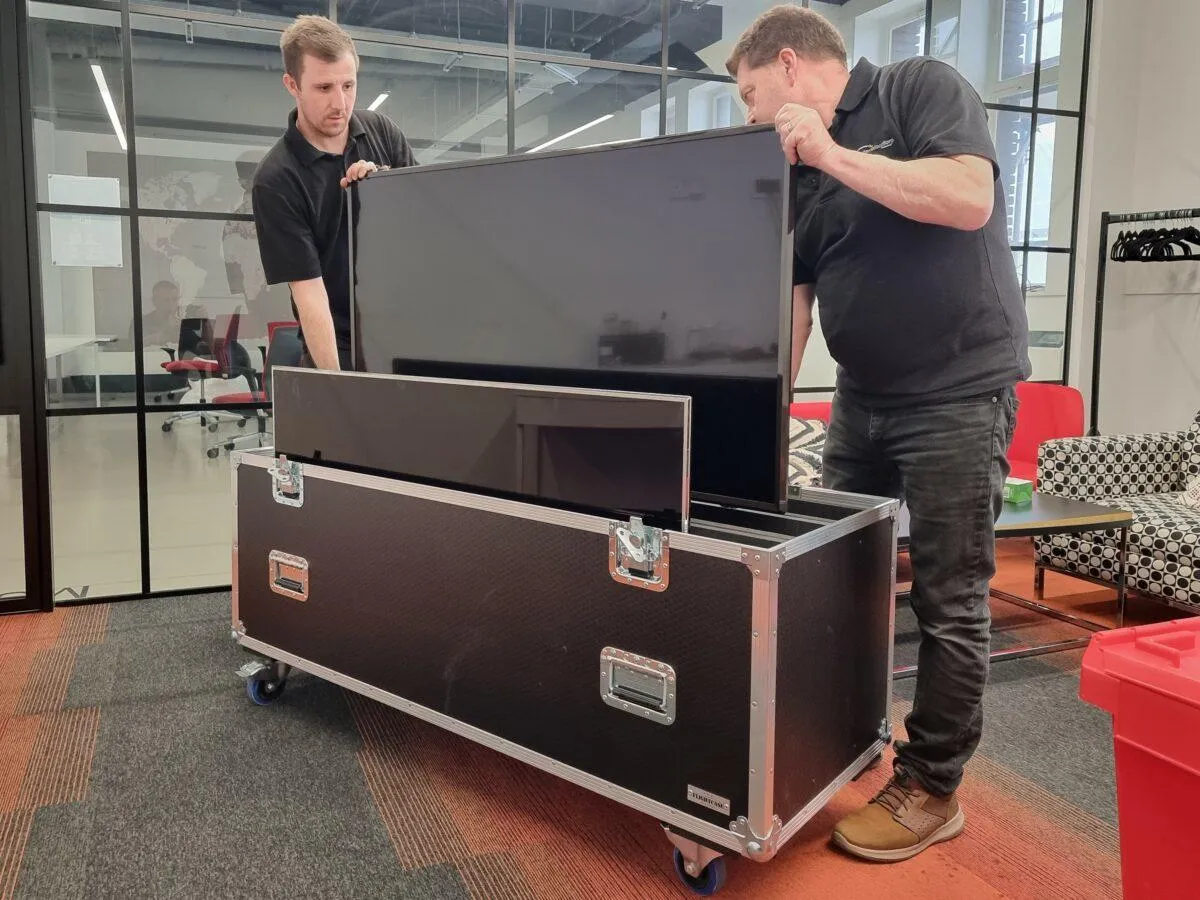
Protective packaging should reflect how equipment will travel and the conditions it may encounter. Fragile screens may need appropriately rated protective cases, cushioning, and safeguards against pressure on display surfaces. Sensitive electronics may also require moisture protection and suitable environmental conditions. Packaging designs should account for loading equipment, storage limitations, and repeated handling during transportation. Retailers should follow manufacturers’ instructions when preparing specialized devices. Investing in appropriate protection can reduce avoidable damage, particularly when replacement equipment is expensive or difficult to obtain before scheduled campaigns.
Coordinate Technical Teams With Logistics Providers
Moving specialized equipment successfully does not guarantee that it will function correctly after installation. Technical staff may need to connect displays, configure devices, test software, and verify power requirements before customer demonstrations begin. Logistics coordinators should therefore distinguish transportation responsibilities from technical installation duties. Businesses arranging pop-up setup and teardown services can clarify equipment handling and installation arrangements before confirming event schedules. This coordination helps avoid situations where valuable devices arrive safely but remain unusable because necessary technicians, accessories, or connections are unavailable.
Address Security During Temporary Storage
Promotional equipment may spend several days in warehouses, staging areas, or temporary storage facilities between campaign locations. These periods create different security concerns from those encountered during active transportation. Access controls, inventory checks, suitable storage conditions, and documented collection procedures can help protect valuable assets. Retailers should also review applicable insurance arrangements and understand any exclusions or declared-value requirements. Security planning becomes particularly important when campaign materials include portable electronics that are attractive targets for theft or contain commercially sensitive demonstration equipment.
Verify Equipment Condition Before Activation
A delivery confirmation establishes that materials reached a destination, but it does not prove that every device is ready for operation. Retail teams should allow time for visual inspections, accessory checks, and functional testing where appropriate. Damaged connectors, missing cables, or malfunctioning screens may require replacement parts or technical assistance. Testing before the public opening creates an opportunity to address problems without affecting customer demonstrations. Recording findings also helps distinguish transportation damage from technical faults and supports more informed decisions about repairs or equipment replacement.
Build Financial Protection Into Campaign Planning
Expensive promotional installations deserve financial planning that extends beyond basic transportation charges. Retailers should assess equipment values, applicable insurance coverage, potential deductibles, and the practical costs of replacing damaged components. Contingency budgets may also account for emergency transportation or additional technical support. These expenses should be evaluated against the likelihood and consequences of operational disruption. A documented risk management approach helps project managers justify reasonable protective measures while avoiding unnecessary spending on arrangements that provide limited value for the equipment involved.
Conclusion
High-value retail displays require more than timely transportation to remain useful throughout a marketing campaign. Effective protection combines equipment classification, suitable packaging, documented custody, secure storage, and thorough inspections. Businesses coordinating specialized fixtures across multiple destinations can explore the retail and event logistics capabilities available through omnifreightsolutions.com and discuss appropriate handling requirements before arranging shipments. Clear responsibilities and practical safeguards help retailers protect valuable assets, reduce avoidable disruptions, and maintain dependable customer experiences as promotional technology moves between locations.