


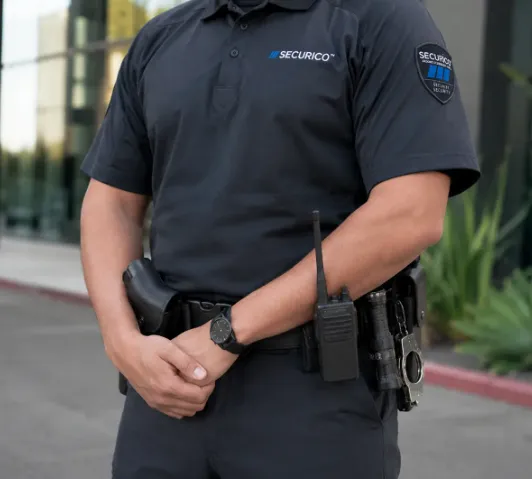
Businesses, property owners, and project managers in Mojave need practical ways to protect people, equipment, and daily operations. A visible security presence can discourage trespassing, theft, vandalism, and other disruptions before they become costly problems. Choosing a provider also means checking its licensing, service coverage, officer training, and ability to adapt patrol plans to the site. Understanding these points helps local organisations make a careful decision about private protection. The right arrangement should reflect the property’s risks, operating hours, access points, and the people who use the location.
Understand Your Property’s Security Needs
When comparing Private Security Mojave CA options, start by identifying what needs protection and when risks are most likely to occur. A warehouse may need overnight checks, while a commercial property may benefit from a uniformed officer during business hours. Construction sites and remote facilities can require a different mix of access monitoring and perimeter patrols. A clear assessment helps determine whether fixed guards, mobile patrols, or a combination will provide suitable coverage without paying for services the property does not need. This approach keeps the decision focused on real site conditions.
Build a Plan Around Site Conditions
A professional security plan should begin with a review of the property rather than a standard package. Consider entrances, fencing, lighting, parking areas, storage locations, and places that are difficult to observe. Managers should also explain normal operating hours, delivery schedules, emergency contacts, and any previous security concern. These details help a provider recommend practical patrol routes and reporting procedures. A written plan gives both sides a shared understanding of duties, expected response steps, and how changes in site activity will be handled. It can also make later reviews more objective and efficient.
Check Licensing Training and Insurance
People researching Security Companies in Mojave CA should confirm that the provider holds the required California credentials and carries appropriate insurance. Ask how officers are screened, trained, supervised, and prepared to document incidents. It is also useful to understand how the company handles shift coverage, urgent calls, and communication with property representatives. Do not rely on broad promises alone. Request clear details about the proposed service, the responsibilities of each party, and the process for reviewing performance after the contract begins. These checks support confidence in the service arrangement.
Consider Mobile and Foot Patrols
Patrol services can be useful for properties spread across a large area or those that do not need a guard stationed at one entrance all day. Vehicle patrols can cover parking lots, equipment yards, construction areas, and long perimeter routes. Foot patrols allow closer checks around doors, shared spaces, and locations that vehicles cannot reach. A provider may schedule visits at agreed intervals or vary patrol times to make activity less predictable. Reports should record observations, unusual conditions, and actions taken during each visit. consistently.
Review Coverage as Your Needs Change
Security needs can change as a business grows, a construction project moves through different stages, or a facility changes its operating schedule. Review the service plan whenever access points, staffing levels, stored materials, or visitor patterns change. Regular communication helps officers understand new concerns and lets managers raise issues before they become repeated problems. Ask for a reliable point of contact and a consistent reporting format. These simple practices make it easier to assess whether the security arrangement remains appropriate for the property. The goal is steady protection that fits current operations.
Compare Providers Beyond the Price
A useful security partnership is based on clear expectations and honest communication. Before signing an agreement, review the hours of coverage, patrol frequency, assigned duties, reporting process, and any additional charges. Ask how temporary coverage can be arranged when work schedules change or special activity is planned. Property managers should also know who can authorise changes and how incidents will be escalated. Comparing providers on these practical details can lead to a more dependable choice than selecting a company based on price alone. A written agreement helps prevent confusion later.
Conclusion
Protecting a Mojave property starts with understanding its risks and choosing services that match its daily needs. Businesses should look for properly credentialed officers, clear supervision, useful incident reports, and a plan that can adapt as conditions change. Mobile patrols, on-site guards, or a combination may suit different locations, depending on their layout and activity. Review the agreement carefully and keep communication open after service begins. To discuss security coverage across the region, visit valorguardsecurity.com and ask about a plan suited to your property. locally.