


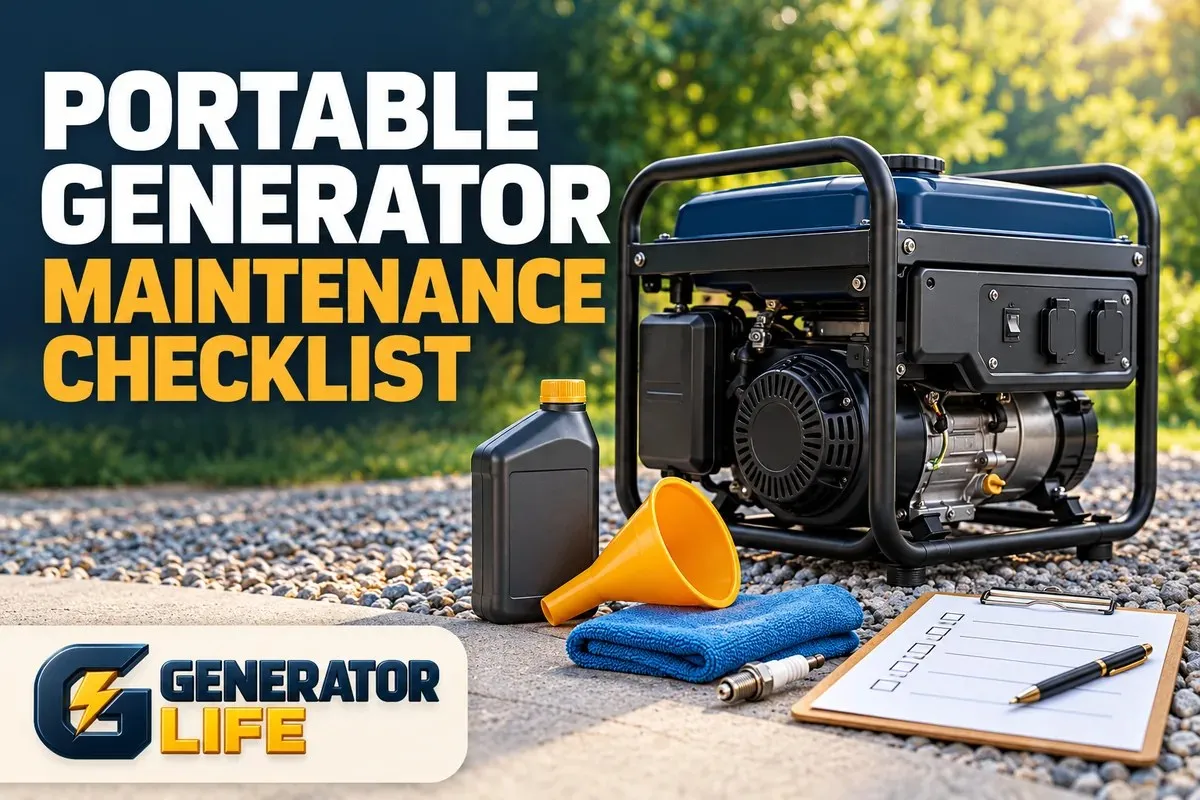
Portable generators can provide useful backup electricity during emergencies, outdoor activities, and temporary power interruptions. However, dependable performance requires more than filling the fuel tank and starting the engine. Improper storage, neglected maintenance, and unsafe operation can create mechanical problems or serious hazards. Understanding Portable generator maintenance and safety helps owners prepare their equipment and reduce preventable risks. Different generator models have different requirements, so manufacturer instructions should always guide maintenance and operating decisions. A practical maintenance routine combines equipment inspections, correct fuel handling, safe placement, and periodic testing.
Follow the Manufacturer’s Maintenance Schedule
Every generator has specific requirements for oil changes, filter inspections, spark-plug maintenance, and other servicing tasks. These intervals may depend on operating hours, environmental conditions, and equipment design.
Rather than applying a universal schedule, owners should consult the documentation supplied with their particular model.
Keeping a record of maintenance dates and operating hours makes future servicing easier to manage. It also helps identify whether a generator requires attention before an anticipated period of heavy use.
Check Engine Oil and Related Components
Engine oil plays an important role in protecting internal moving parts of fuel-powered generators. Operating with insufficient or unsuitable oil can damage the engine.
Check oil levels using the procedure described in the owner’s manual. The correct lubricant grade and service interval depend on the generator model and operating conditions.
Air filters and spark plugs may also require inspection or replacement. Allow the generator to cool before performing maintenance, and follow the manufacturer’s precautions to prevent accidental starting.
Fuel Storage Deserves Careful Attention
Fuel management affects both safety and the generator’s ability to start after extended storage. Gasoline can deteriorate over time, and improper storage creates fire and vapour hazards.
Use approved fuel containers and follow local storage regulations. Keep fuel away from ignition sources and occupied living spaces.
Some manufacturers recommend fuel stabilisers or draining particular components before long-term storage. The appropriate procedure depends on the engine and fuel system. Never add gasoline while a generator is running or hot.
Carbon Monoxide Safety Is Essential
Fuel-powered generators produce carbon monoxide, an odourless gas that can cause fatal poisoning. They must never operate inside a home, garage, basement, shed, or other enclosed or partially enclosed area.
The CDC recommends keeping portable generators outdoors at least 20 feet away from windows, doors, and vents, with exhaust directed away from occupied buildings.
Maintain working carbon monoxide alarms in appropriate locations and follow their installation instructions. An open garage door does not make indoor generator operation safe.
Use Appropriate Electrical Connections
Improper electrical connections can cause shocks, fires, and dangerous backfeeding into utility lines. Connecting a generator to a household wall outlet is never an acceptable method of powering building circuits.
A qualified electrician should install appropriate transfer equipment when a generator will supply household wiring.
When connecting individual appliances directly, use outlets and cords compatible with the generator’s specifications. Avoid damaged cables and overloaded connections. Grounding and protection requirements depend on the equipment and intended configuration.
Important Checks Before Operation
A brief inspection can identify visible problems before the generator starts.
Consider checking:
-
Oil and fuel levels according to manufacturer guidance.
-
Visible damage to cords, plugs, and outlets.
-
Loose components or signs of fuel leakage.
-
Airflow around the engine and exhaust.
-
The intended electrical load and outlet capacity.
-
Carbon monoxide alarm operation.
-
Weather conditions and safe outdoor positioning.
Do not start equipment when a fuel leak, damaged connection, or other serious hazard is suspected.
Protect the Generator From Weather Without Enclosing It
Portable generators may be needed during storms, but exposure to rain and standing water can create electrical and mechanical hazards.
Any weather protection must follow the manufacturer’s instructions and preserve suitable ventilation and exhaust clearance. Improvised enclosed structures can trap carbon monoxide or cause overheating.
Never operate a generator in a flooded area. Keep electrical connections dry and avoid handling energised equipment while standing in water.
Test Backup Equipment Periodically
A generator that remains unused for months may develop starting problems. Periodic operation, when recommended by the manufacturer, can help owners confirm that the equipment starts and produces appropriate output.
Testing must take place outdoors under the same safety precautions required during an actual outage.
Owners should also verify that suitable fuel, approved cords, and other accessories remain available. Testing before storm season provides an opportunity to address problems before emergency conditions make repairs more difficult.
Know When Professional Service Is Necessary
Some maintenance tasks are suitable for owners who follow the instruction manual. Others require technical expertise or specialised equipment.
Unusual engine noises, damaged wiring, persistent fuel leaks, and repeated electrical faults should not be ignored. Stop operating the generator when serious problems appear.
A qualified technician can investigate mechanical or electrical issues beyond routine owner maintenance. Attempting unfamiliar repairs may create additional hazards or damage.
Conclusion
Regular maintenance and responsible operation are essential for dependable portable generator performance. Fuel handling, oil checks, electrical connections, carbon monoxide precautions, and safe outdoor placement all deserve careful attention. Generator Life provides educational resources covering generator maintenance, troubleshooting, and practical backup power considerations. Owners should use these guides alongside the instructions for their specific equipment and seek qualified assistance when necessary. A generator is most useful when its operator understands both its capabilities and the safety responsibilities involved in producing temporary electricity.