


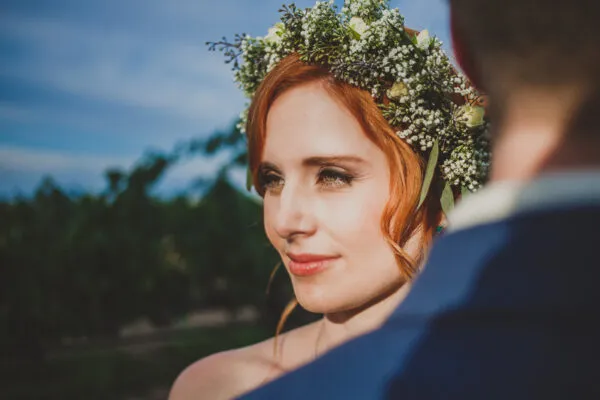
A destination wedding rarely begins when the ceremony music starts. Guests may arrive a day early, families meet over dinner, friends explore the area together, and the couple often spends meaningful time with people they do not see every week. In Western North Carolina, those extra hours can become an important part of the wedding story. Photographing the weekend with intention allows couples to preserve not only the formal celebration, but also the smaller experiences that give the gathering its personality.
Start Before the Main Event
Welcome dinners, casual drinks, rehearsal gatherings, and cabin meetups can reveal relationships in a way that a formal wedding timeline sometimes cannot. People are usually more relaxed, and the photographer can learn who matters most to the couple before the ceremony day begins.
Couples working with a Destination Wedding Photographer Asheville may want to identify one or two pre-wedding events that genuinely add to the story rather than documenting every hour. A mountain-view dinner, family barbecue, or informal gathering downtown can provide context without making the weekend feel constantly photographed.
Early coverage can also make the wedding day easier. Guests become accustomed to the camera, the photographer recognizes key family members, and everyone settles into a more natural rhythm.
Show Why the Place Matters
Destination weddings are often chosen because the location means something. The couple may love the mountains, want a quieter setting than their home city, or be bringing families together in a place that feels like an experience in itself.
Photographs can establish that sense of place through more than dramatic landscape images. Cabins, porches, changing weather, local architecture, wooded paths, restaurant tables, and guests moving between locations can all help build a fuller visual narrative.
The goal is not to turn the wedding gallery into a travel brochure. It is to show how the setting shaped the weekend.
Keep Travel Realistic
One of the easiest ways to complicate a destination wedding is to schedule too many locations. A getting-ready house, ceremony venue, portrait spot, and reception space may all look close on a map while still creating significant travel time.
Mountain roads, traffic, parking, and weather can slow transitions. Couples should decide which locations are essential and which can be skipped if the schedule changes.
Fewer moves often create better coverage. When the photographer is not constantly driving between sites, there is more opportunity to document conversations, reactions, and atmosphere.
Use Local Knowledge Wisely
Different Western North Carolina towns offer different visual conditions. A venue near Hendersonville, for example, may combine mountain scenery with orchards, farms, wooded spaces, or traditional event properties.
A Hendersonville Wedding Photographer familiar with the area can help couples think realistically about light, travel, portrait options, and backup locations. Local familiarity is especially useful when a ceremony is outdoors or when the timeline involves several nearby properties.
That knowledge should support the couple’s plans rather than dictate them. The strongest approach is usually a balance between preparation and flexibility.
Photograph the Transitions
Some of the most revealing moments during a wedding weekend happen between scheduled events. Friends carrying bags into a rental house, relatives talking on a porch, the couple walking back from rehearsal dinner, or guests gathering for coffee the next morning can create photographs with a different energy from formal portraits.
These images connect the larger events and give the finished gallery a beginning, middle, and end instead of presenting the wedding as isolated highlights.
For couples who value documentary-style photography, transition time is especially useful because it creates room for unscripted interactions.
Decide When Coverage Should End
More coverage is not automatically better. Couples should think about which final chapter matters to them. For some, that is the last hour of dancing. For others, it may be a quiet farewell, a sparkler exit, or a relaxed brunch the next morning.
Extending coverage should serve the story rather than simply increase the number of photographs. A thoughtful ending can give the gallery a sense of completion.
Conclusion
A destination wedding weekend offers more than a single ceremony to remember. It brings people together across multiple places, moods, and experiences, creating opportunities for photographs that feel personal rather than purely ceremonial. The most effective coverage does not attempt to document every minute. Instead, it focuses on meaningful gatherings, realistic travel, local character, and the transitions that connect the weekend together. With enough structure to protect important moments and enough freedom for real interactions to happen, couples can receive a wedding story that reflects not only what the celebration looked like, but also what it felt like to bring everyone together in one special place.