


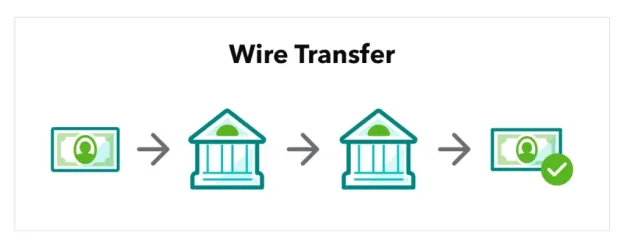
International money transfers are influenced by more than the amount you send. Exchange rates can significantly affect how much the recipient ultimately receives, especially when transferring larger sums across borders. When you wire money to Germany, understanding the relationship between the British pound and euro can help you assess the real cost of your transaction.
Currency market movements, provider margins, transfer fees, and timing can all influence the final value. By understanding these factors before making an international payment, you can compare options more effectively and make informed decisions about converting and sending your money.
Why Exchange Rates Matter to Transfer Costs
The exchange rate can significantly affect the cost of an international payment, sometimes more than the stated transfer fee. For example, when converting £10,000 into euros, even a small change in the GBP to EUR exchange rate can alter the amount received by hundreds of euros.
Therefore, comparing only transfer fees may not provide a complete picture of cost. A competitive fee can still result in a more expensive transfer if the exchange rate is less favourable. Always consider the exchange rate, fees, transfer amount, and potential additional charges.
How Currency Market Movements Affect Your Transfer
Currency markets can fluctuate throughout the day due to economic announcements, central bank decisions, inflation, employment data, and political developments. Even small exchange-rate changes can significantly affect larger transfers for property purchases, education fees, business payments, or family support.
If the rate changes between planning and completing a transaction, the recipient may receive more or fewer euros. Therefore, monitoring market conditions can help senders make informed decisions when their payment does not require immediate completion.
Timing Can Influence the Amount You Receive
Timing is another important factor when exchanging currencies. If the pound strengthens against the euro, you may receive more euros for the same amount of sterling. However, currency movements are difficult to predict. Consider your payment deadline, transfer amount, and tolerance for fluctuations.
Planning ahead can help you assess different options. For larger payments, some international providers offer forward contracts, allowing eligible customers to secure an exchange rate for a future transaction and gain greater certainty over the amount required.
The Difference Between the Market Rate and the Customer Rate
Another important factor is the difference between the market exchange rate and the customer rate. Currency providers may include a margin, meaning different providers can offer different euro amounts for the same sterling payment.
Therefore, comparing the final amount received is often more useful than looking only at transfer fees. Always consider the exchange rate, applicable charges, and recipient amount together to understand the true cost of an international transfer.
Why Larger Transfers Need Careful Rate Comparison
Transaction value makes exchange-rate differences more significant. A small rate variation on £1,000 may have limited impact, but the same difference on £50,000 or £100,000 can substantially change the final amount received. Large international transfers may involve property deposits, investments, business payments, tuition fees, or relocation costs.
Understanding the applicable exchange rate and available currency-management options can help reduce uncertainty. Professional guidance may also be valuable when payments are scheduled for a future date, helping customers assess potential exposure to currency fluctuations and plan transfers more effectively.
Exchange Rates and International Payments to Germany
Germany uses the euro, so payments from the UK require sterling-to-euro conversion. The exchange rate directly influences how many euros the recipient receives. International payment services can simplify this process by offering currency checks, quotes, and payment arrangements.
Customers can often make payments online or speak with currency specialists for guidance. These services can support various needs, including overseas property purchases, family support, education expenses, weddings, and employment abroad, while helping customers understand exchange-rate movements and make informed decisions when transferring funds internationally.
Ways to Manage Exchange-Rate Risk
There are several practical approaches to managing currency risk.
Compare the Complete Cost
Do not focus solely on advertised fees. Compare the exchange rate, the amount you send, the amount the recipient receives, and any applicable charges.
Consider Your Payment Deadline
If you have flexibility, understanding your payment timeline can help you evaluate whether immediate conversion or a planned approach is more appropriate.
Explore Forward Contracts
Forward contracts can allow customers to lock in an agreed exchange rate for a future payment. Sterling FX lists forward contracts among its international payment products.
Monitor Market Conditions
Keeping an eye on GBP to EUR movements can help you understand how currency changes may affect your transfer, particularly when dealing with substantial amounts.
Ask About Risk Management
For larger or recurring transfers, professional currency guidance can help you understand strategies designed to reduce exposure to unfavourable exchange-rate movements.
Why Transparency Matters in International Transfers
Transparency matters because international transfer costs involve more than a single fee. Exchange rates can significantly influence the final amount received. Before confirming a payment, review the quoted rate, amount being converted, expected amount received, and applicable charges. This makes comparing providers easier and helps prevent unexpected differences.
Regulation and safeguarding are also important. Customers should check whether the payment service provider is authorised by the FCA and understand how client funds are safeguarded. It is also important to distinguish regulated payment services from travel money services.
Conclusion
Exchange rates play a central role in determining the real cost of international payments. From market movements and timing to provider margins and transfer size, several factors can influence the amount received. When you wire money to Germany, comparing the complete cost and understanding currency movements can help you make more informed decisions. Planning ahead, reviewing available options, and considering risk-management strategies can be especially valuable for larger transfers.
For those seeking practical support with international currency transactions, Sterling FX provides international payment solutions for private and corporate clients, including spot contracts, forward contracts, risk management, mass payments, and currency exchange services. For individuals planning a euro money transfer from UK to Germany, its specialists can provide guidance alongside online payment options. The company also supports payments in multiple currencies and focuses on exchange-rate management and international transfers.