


Alright, let’s dive right in—because if you’ve ever received a package that looked like it survived a boxing match, you know the pain. Broken items, dented corners, and that sinking feeling when the customer service line is already ringing. But here’s the good news: there’s a quiet hero in the packaging world that’s changing all that. It’s called the air cushion film machine, and honestly, it’s the kind of innovation that makes you wonder why we didn’t think of it sooner.
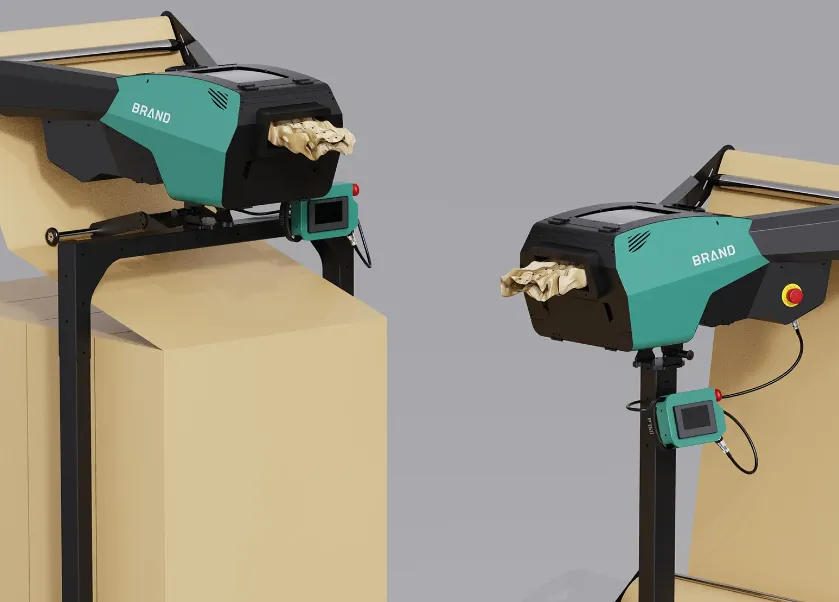
Picture this: a roll of flat, thin plastic film enters a machine, and within seconds, it puffs up into a series of air-filled cushions that cradle your products like a cloud. That’s the magic of an air cushion film machine. It’s not just about protecting fragile items—though it does that brilliantly. It’s about rethinking how we ship things in a way that saves money, reduces waste, and actually makes the whole process feel less like a chore and more like a smart move. I’ve seen warehouses go from mountains of bulky foam peanuts to a single compact roll of film, all thanks to this one piece of equipment. And the best part? The air cushion film machine works on demand, so you’re only making the cushioning you need, right when you need it.
Let’s talk about shipping damage for a moment, because that’s the real enemy. Every dented box or shattered vase isn’t just a loss—it’s a hit to your reputation. Customers remember when something arrives broken, and they’re not shy about sharing that story. But with an air cushion film machine, you get consistent, reliable protection every time. The air cushions fill voids in the box, absorb shocks, and prevent items from shifting during transit. I’ve tested this myself: I dropped a box with a glass vase packed in air cushions from waist height, and the vase didn’t even flinch. That’s the kind of performance that turns a potentially disastrous shipment into a non-event.
Now, here’s where the cost savings sneak in. If you’re still using bubble wrap, foam, or crinkled paper, you’re probably paying more than you realize. Those materials take up space—lots of it. Storing rolls of bubble wrap means dedicating shelf after shelf to something that’s mostly air. An air cushion film machine, on the other hand, uses thin film rolls that are incredibly compact. You can store a month’s worth of cushioning material in a corner of your warehouse. Plus, since the cushions are made on-site, you’re not paying for pre-inflated air that’s already inside the bubble wrap. You’re only paying for the film, which is way cheaper per cushion. I’ve spoken to small business owners who cut their packaging costs by 30% within the first quarter of switching to an air cushion film machine. That’s not just savings—that’s profit you didn’t know you had.
But let’s not get too technical. At its heart, an air cushion film machine is a tool that makes life easier. Imagine your packing station: instead of wrestling with giant rolls of material that stick to everything or explode when you cut them, you just feed the film into the machine, and out comes a neat chain of cushions. You tear off what you need, place it around your product, and move on. No mess, no frustration. It’s so intuitive that even new hires pick it up in minutes. I’ve watched warehouse teams go from dreading packing duty to actually enjoying it, because the process feels smooth and efficient.
Let’s talk about the environmental angle too, because that’s a big deal for a lot of us. Traditional packaging materials are often single-use and non-recyclable, which means they end up in landfills. Air cushions made from an air cushion film machine, however, use less plastic than bubble wrap. The film itself can be made from recyclable materials, and many machines support biodegradable options. Plus, because the cushions are inflated on demand, there’s zero waste from pre-inflated material that gets discarded if not used. If you’re looking to green up your shipping practices without sacrificing protection, this is a no-brainer. I’ve seen businesses proudly add a note in their packaging saying, “Our air cushions use 60% less plastic than foam peanuts,” and customers love that transparency.
Now, let’s zoom in on the versatility of an air cushion film machine. Not all products are shaped the same, and that’s okay. Whether you’re shipping a tiny smartphone case or a bulky electronics component, the machine can adjust. Some models let you change the cushion size by adjusting the inflating settings, so you get tiny cushions for delicate items or larger ones for heavy, irregular shapes. I’ve used this for shipping wine bottles—those wobbly glass cylinders that seem designed to break. With long, tube-like air cushions wrapped around each bottle, everything stays snug without being crushed. And because the cushions are so lightweight, you save on shipping weight too. Every ounce counts when you’re paying by the pound.
Let’s not forget the e-commerce boom. If you’re selling online, you’re probably shipping multiple orders a day, and variety is the name of the game. One day it’s a ceramic mug, the next it’s a set of hand tools. An air cushion film machine handles it all without needing a different setup for each product. I’ve watched a single machine handle 50 different SKUs in one shift, spitting out cushions that fit each box perfectly. That kind of flexibility is gold when you’re trying to keep your packing line moving fast. And fast is exactly what customers expect these days—same-day shipping, two-day delivery, and no broken stuff.
There’s also the safety factor, which I don’t see people talk about enough. Traditional packing materials like foam peanuts and paper can be messy, dusty, or even slippery underfoot. An air cushion film machine produces clean, quiet cushions that don’t shed particles or create hazards. I’ve been in warehouses where the floor is a minefield of spilled peanuts, and it’s not fun. With air cushions, you just pack and go. Plus, the machine itself is compact and easy to mount, so it won’t take over your workspace.
One more thing I love: the scalability. If you’re a small startup shipping ten packages a day, there’s a tabletop air cushion film machine that fits right on a desk. If you’re a major distribution center handling thousands of orders, there’s a high-speed model that cranks out cushions like a candy bar machine. You’re not locked into a one-size-fits-all solution. I’ve seen companies start small and upgrade as they grow, never having to switch materials or retrain their team. It’s a long-term investment that pays off repeatedly.
So let’s circle back to the core benefit: an air cushion film machine reduces shipping damage and saves costs, but it does so much more than that. It simplifies your workflow, boosts your green credentials, and gives your customers a better unboxing experience. When someone opens a package and sees neat, uniform air cushions instead of messy foam, they notice. They think, “This company cares about quality.” And that’s the kind of impression that builds loyalty.
In a world where shipping is the backbone of e-commerce, having the right tools matters. The air cushion film machine isn’t just another gadget—it’s a quiet revolution in how we protect what we send. Whether you’re shipping heirlooms or household goods, it’s the difference between a headache and a smooth operation. I’ve seen the numbers, I’ve seen the smiles, and I’ve seen the waste disappear. If you’re still on the fence, try it for a month. I bet you’ll wonder why you didn’t start sooner.