


The Everest Base Camp Trek is widely recognized as one of the most rewarding trekking experiences in the world. Often referred to as the Trek to Everest Base Camp, this journey takes adventurers deep into the heart of Nepal’s Himalayan region, offering a unique blend of natural beauty, cultural richness, and personal challenge. For those seeking a meaningful and transformative travel experience, this trek stands as an extraordinary achievement.
Overview of the Everest Base Camp Trek
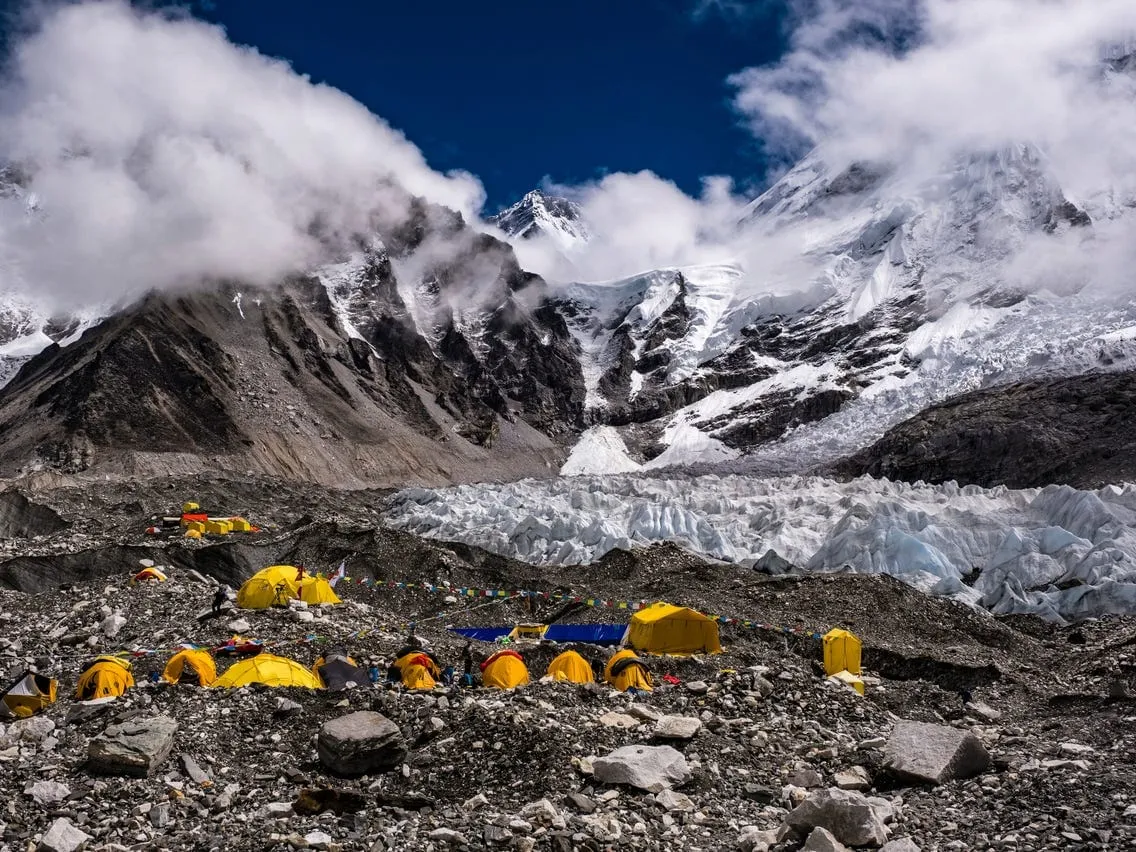
The Everest Base Camp Trek leads trekkers to an altitude of 5,364 meters, where the base camp of Mount Everest is located. While climbing to the summit of Everest requires advanced mountaineering skills, reaching base camp is achievable for individuals with good physical fitness and determination.
The adventure begins with a scenic flight to Lukla, a small yet bustling mountain airstrip. From there, trekkers follow a well-established trail through the Khumbu region, passing through remote villages, crossing suspension bridges, and ascending gradually into higher elevations.
Each day presents new challenges and rewards, making the Trek to Everest Base Camp a dynamic and engaging journey from start to finish.
Magnificent Himalayan Scenery
One of the most captivating aspects of the Everest Base Camp Trek is the stunning scenery that unfolds along the route. Trekkers are surrounded by some of the tallest and most beautiful peaks in the world, including Everest, Lhotse, Nuptse, and the iconic Ama Dablam.
The trail passes through diverse landscapes, starting with lush forests of pine and rhododendron and gradually transitioning into rocky alpine terrain. Glacial rivers, dramatic cliffs, and vast valleys create a constantly changing environment that keeps the journey visually exciting.
A major highlight is the hike to Kala Patthar, which offers one of the best viewpoints of Mount Everest. The sight of the sun rising over the snow-covered peaks is a breathtaking moment that defines the essence of the Himalayas.
Cultural Encounters and Local Traditions
The Everest region is home to the Sherpa community, whose culture and traditions add depth to the trekking experience. Known for their resilience and hospitality, the Sherpa people welcome trekkers with warmth and kindness.
Villages such as Namche Bazaar serve as important cultural and trading centers. Here, trekkers can explore local markets, interact with residents, and gain insight into daily life in the mountains.
Buddhist traditions are evident throughout the journey. Prayer flags flutter in the wind, mani stones line the paths, and monasteries offer peaceful places for reflection. Tengboche Monastery, one of the most significant spiritual sites in the region, provides a unique opportunity to observe traditional ceremonies and experience the tranquility of Himalayan Buddhism.
Physical Endurance and Acclimatization
The Trek to Everest Base Camp is considered moderately demanding, requiring consistent physical effort over several days. Trekkers typically walk between five to seven hours daily, often on uneven and steep terrain.
One of the main challenges is the high altitude. As trekkers ascend, oxygen levels decrease, making it essential to acclimatize properly. Most trekking itineraries include rest days at key points such as Namche Bazaar and Dingboche, allowing the body to adjust gradually.
Preparation before the trek is crucial. Engaging in regular exercise, including cardiovascular training and strength building, helps improve stamina and endurance. With proper preparation and pacing, the trek is achievable and highly rewarding.
Ideal Seasons for Trekking
Choosing the right season is essential for a successful Everest Base Camp Trek. The best times to visit are during spring (March to May) and autumn (September to November).
Spring offers mild temperatures and colorful landscapes, with rhododendron flowers in full bloom. Autumn, on the other hand, provides clear skies and excellent visibility, making it ideal for enjoying panoramic mountain views.
While winter treks are possible, they come with extreme cold and challenging conditions. The monsoon season is generally avoided due to heavy rainfall and reduced visibility.
Accommodation and Dining Experience
Accommodation during the Everest Base Camp Trek is provided by tea houses, which are simple lodges run by local families. These offer basic facilities such as beds, meals, and communal dining areas where trekkers can relax and share experiences.
The food available is designed to meet the energy demands of trekking. Dal bhat, a traditional Nepali meal of rice and lentils, is widely consumed due to its nutritional value. Other options include soups, noodles, and light Western dishes.
As altitude increases, facilities become more basic, but the friendly atmosphere and hospitality of the hosts create a comfortable and enjoyable environment.
Sustainable and Responsible Travel
With the growing popularity of the Everest Base Camp Trek, responsible tourism has become increasingly important. Trekkers are encouraged to minimize their environmental impact by reducing waste, using reusable items, and respecting local customs.
Supporting local communities by staying in tea houses and purchasing local products helps contribute to the region’s economy. Sustainable practices ensure that the natural beauty and cultural heritage of the Everest region are preserved for future generations.
Conclusion
The Everest Base Camp Trek, also known as the Trek to Everest Base Camp, is more than just an adventure—it is a journey of discovery, perseverance, and inspiration. From the awe-inspiring mountain scenery to the rich cultural experiences, every moment of the trek leaves a lasting impression.
Reaching Everest Base Camp is a powerful achievement that symbolizes determination and resilience. Beyond the physical accomplishment, the journey offers a deeper connection with nature and a greater appreciation for the beauty of the world. For anyone seeking an extraordinary and meaningful travel experience, the Everest Base Camp Trek remains one of the most unforgettable journeys on Earth.