


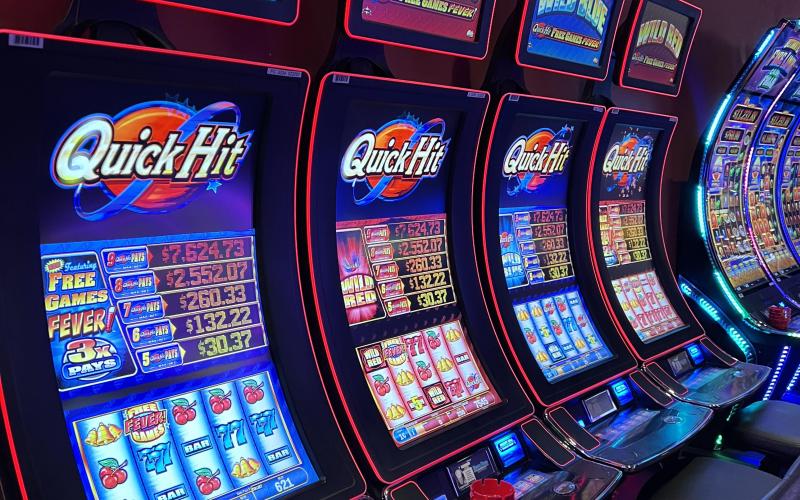
Slot game design combines visual presentation, mathematics, software development, sound, interface planning, and gameplay mechanics. Developers create these elements to produce a consistent and understandable digital experience across compatible devices. For beginners, learning how slots are designed can provide useful context for understanding reels, symbols, bonus features, interfaces, and the systems behind individual outcomes.
Defining the Game Concept
The design process usually begins with a central concept.
Developers may choose themes involving adventure, mythology, wildlife, fantasy, history, food, or futuristic settings. The concept provides direction for the game’s artwork, symbols, animations, sounds, and feature design.
Creating the Visual Identity
A slot88 visual identity includes its colors, backgrounds, symbols, characters, typography, and animations.
Designers aim to create a consistent appearance so that the interface feels connected to the chosen theme.
Designing the Reels
The reel structure is a fundamental part of the game.
Traditional designs may use three or five reels, while modern games can use grids, dynamic reels, or alternative arrangements. The chosen structure affects how symbols are displayed and evaluated.
Creating the Symbols
Symbols are designed to communicate both theme and function.
Regular symbols can represent characters or objects associated with the game’s concept. Special symbols such as wilds and scatters are usually designed to be visually distinct so that players can recognize them quickly.
Developing the Winning System
A slot needs a defined method for evaluating outcomes.
Some games use traditional paylines, while others rely on ways-to-win, cluster pays, or alternative systems. The winning system is incorporated into the game’s mathematical and software design.
Establishing Game Mathematics
Mathematical modeling determines how the game distributes possible outcomes.
Developers can establish characteristics such as RTP, volatility, symbol frequencies, and potential combinations. These elements form the underlying mathematical structure rather than the visual presentation.
Understanding RTP During Design
RTP, or Return to Player, is a theoretical long-term percentage associated with a game’s mathematical model.
It describes expected behavior over a very large number of plays rather than guaranteeing a specific return to an individual player during a short session.
Designing Volatility
Volatility describes the general distribution of potential outcomes.
Developers can design games with different volatility characteristics depending on the intended mathematical model. Volatility does not make individual results predictable.
Implementing Randomization
Digital slot games generally use random number generation to determine individual outcomes.
The randomization system is separate from visual effects and animations. A symbol appearing frequently in recent spins does not necessarily make another symbol more or less likely on the next spin.
Adding Special Features
Special features can give a game its distinctive mechanics.
Common examples include wilds, scatters, free spins, respins, multipliers, expanding symbols, sticky symbols, and cascading reels.
Designing Bonus Rounds
Bonus rounds can introduce a separate gameplay sequence.
Developers may create selection screens, free-spin rounds, respin features, or other special mechanics. Each feature requires clearly defined trigger conditions and rules.
Building the User Interface
The interface connects the player with the game’s systems.
Designers decide where to place the spin button, stake controls, paytable, balance information, settings, help menu, and feature indicators. Good UI design aims to make these elements easy to locate.
Designing for Mobile Devices
Mobile design requires special attention to smaller screens and touchscreen interaction.
Developers may resize symbols, simplify menus, reposition controls, and optimize graphics so that the game remains usable on smartphones and tablets.
Creating Sound Design
Music and sound effects can reinforce the game’s atmosphere.
Audio cues may indicate spins, winning combinations, bonus triggers, or feature transitions. Sound contributes to presentation but does not determine game outcomes.
Developing Animations
Animations provide visual feedback and help communicate game events.
Reels may spin and stop, symbols can expand or disappear, and bonus features may use specialized effects. These animations are programmed responses to game events rather than indicators of future results.
Testing Game Performance
Before release, developers need to test how the game performs across compatible devices and environments.
Testing can identify problems involving loading, graphics, controls, animations, sound, and general responsiveness.
Testing the User Experience
User experience testing focuses on whether players can understand and navigate the interface.
Designers may review whether the paytable is readable, controls are easy to locate, and special features are explained clearly.
Reviewing Game Rules
The final game needs clear documentation describing how its mechanics work.
The paytable or help section can explain symbol values, winning combinations, bonus triggers, RTP, volatility, and other important information.
Regulatory and Technical Requirements
Where gambling is regulated, developers and operators may need to meet applicable technical and legal requirements.
These can include testing, certification, responsible-gaming features, and rules concerning game operation. Requirements vary by jurisdiction.
Updating Modern Slot Games
Some digital slot games may receive technical or presentation updates after release.
Updates can address performance, compatibility, interface improvements, or other technical matters. Any change to the underlying game mechanics should be communicated according to applicable requirements.
Why Design Does Not Guarantee Outcomes
A visually impressive slot does not necessarily provide better results.
Graphics, themes, animations, and interface quality are separate from the mathematical system that determines individual outcomes. Understanding this distinction helps beginners evaluate games more realistically.
Exploring Game Design as a Beginner
Beginners can examine a slot’s design by looking at its theme, reel structure, symbols, winning system, special features, paytable, RTP, volatility, and interface.
This approach provides a broader understanding than focusing only on graphics or bonus animations.
Responsible Exploration
If real-money play is legal and appropriate, treat slot games as entertainment rather than a source of guaranteed income.
Set a predetermined budget and time limit, avoid chasing losses, and use demo modes when available to learn unfamiliar mechanics without wagering real money.
FAQ
What are the main elements involved in designing a slot game?
Major elements include the concept, artwork, symbols, reel structure, mathematical model, randomization system, winning mechanics, bonus features, interface, sound, animations, and device compatibility.
Do graphics determine how a slot pays?
No. Graphics and animations are presentation elements. Individual outcomes are generally determined by the game’s underlying mathematical and randomization systems.
How can beginners understand a slot’s design?
Review the paytable and help section first, then examine the reels, symbols, winning system, special features, RTP, volatility, and interface. Demo mode can also help beginners explore the design without wagering real money.