


Key Takeaways
Synthetic sapphire stands out due to its impressive strength, earning a remarkable hardness rating of 9 on the Mohs scale. This makes it particularly suitable for critical applications in optics and semiconductors.
Its optical clarity significantly reduces light scattering, thanks to its uniform structure, which enhances performance in precision devices while ensuring accurate visualization.
Moreover, high thermal conductivity prevents heat buildup, establishing sapphire as an optimal choice for applications where overheating can hamper device performance.
Bearing high thermal stability, electrical insulation, and chemical inertness, sapphire is preferred as a substrate material in semiconductor manufacturing, providing essential protection for sensitive electronic components.
Recent advancements in sapphire substrate development have led to the creation of larger, defect-free wafers, a change that propels enhancements in electronic device reliability and performance.
Durability along with resistance to heat, chemicals, and scratches make sapphire invaluable in high-stress industrial settings, particularly in aerospace and oil drilling.
Market forecasts reveal a rising demand for sapphire products across diverse industries, driven by its superior properties compared to conventional materials such as glass and plastics.
Why Sapphire is the Go-To Choice for Optics
The Unmatched Strength of Synthetic Sapphire
Sapphire, especially in synthetic form, showcases a truly exceptional level of strength. Researchers and materials engineers have praised it for its resilience against substantial impacts. With a hardness rating of 9 on the Mohs scale, it ranks just behind diamond. This strength equates to durability and longevity, making it an ideal selection for an array of optical applications. Many industry professionals highlight this feature during material selection for high-stakes environments.
Loyalty to sapphire is evident in sectors like military optics, aerospace, and advanced medical equipment, where it can endure harsh conditions. Utilizing high-quality sapphire can significantly lessen the chances of component failure, conserving resources over time. Additionally, its scratch-resistant surface sustains clarity despite extended exposure to tough conditions, assuring that optical precision remains intact.
How Sapphire Enhances Optical Performance
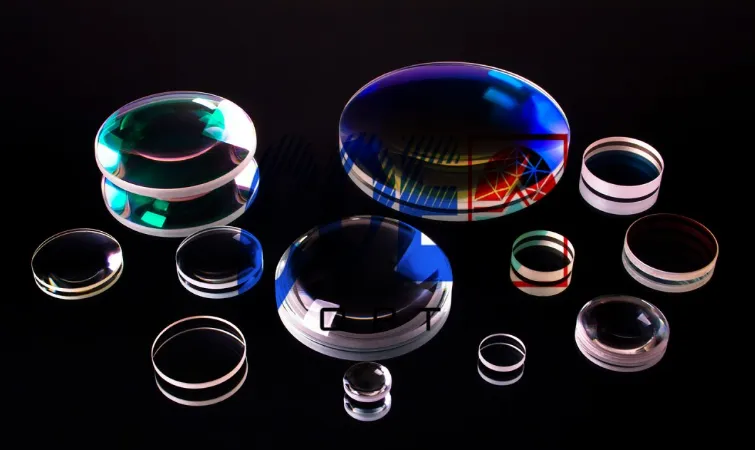
The optical clarity that sapphire offers is nothing short of amazing. In the realm of lens materials, the ability to transmit light with minimal distortion is paramount. Sapphire features a consistent structure that minimizes light scattering—crucial for preserving visualization in precision devices. Its high refractive index further enhances this exemplary optical performance by effectively directing light as needed.
There’s another impressive attribute worth noting: excellent thermal conductivity. This becomes vital in scenarios where heat accumulation could affect performance. With sapphire, optical devices operate optimally while avoiding overheating, thus safeguarding both accuracy and reliability. It’s not surprising that many emerging applications are turning to sapphire as a go-to solution.
Case Studies: Sapphire in Latest Applications
· Sapphire is extensively integrated into ballistic eyewear for military optics, ensuring both extreme impact resistance and clarity of vision.
· Spacecraft components frequently utilize sapphire due to its robustness in hostile cosmic environments.
· For medical imaging devices like endoscopic cameras, sapphire is employed to achieve high-fidelity imaging results.
These case studies highlight not merely the versatility of sapphire, but also its pivotal role in settings where reliability is essential. As industries continue to push boundaries, high-quality sapphire is becoming a non-negotiable material.
The Role of Sapphire in Semiconductor Fabrication
Key Properties that Make Sapphire Ideal for Electronics
For semiconductor manufacturers, sapphire’s core properties are indispensable. High thermal stability is essential for integrated circuits. While ordinary materials may struggle under elevated temperatures, sapphire retains its integrity, thus delivering consistent performance. Additionally, sapphire’s electrical insulating properties create a safe substrate for delicate electronic components.
Furthermore, its chemical inertness ensures minimal interaction with environmental factors, thereby protecting delicate electronic functionalities. This characteristic is invaluable for applications that stretch from mobile displays to complex computing systems, professionals find.
Innovations in Sapphire Substrate Development
Today’s breakthroughs in sapphire substrate technology have opened avenues for innovative semiconductor applications. Advanced crystal growth methods—like the Kyropoulos technique—allow for the production of larger wafers with fewer defects, which translates to more dependable electronic devices. As manufacturers look to boost efficiency and performance, investments in improved sapphire substrate development are gaining traction.
A notable trend is blending sapphire with other materials to create hybrid structures that enhance overall performance. Such collaborations can fuse the durability of sapphire with the versatility of alternative materials.
Real-World Impact: Sapphire in Electronics Manufacturing
· In the smartphone sector, sapphire is increasingly favored for screens, offering enhanced scratch resistance.
· Sapphire’s role in LED technology has paved the way for high-efficiency lighting solutions.
· The aerospace industry’s shift toward sapphire for sensors showcases its reliability under extreme conditions.
Such examples underscore sapphire’s significant impact within electronics manufacturing. Professionals acknowledge that its incorporation leads to improved product performance and longevity.
Maximizing Sapphire’s Potential in Industrial Applications
Durability and Resistance: What You Need to Know
In industrial settings, sapphire’s durability and resistance deserve careful consideration. Its remarkable resilience to heat, chemicals, and scratches showcases its immense value. Industries operating in high-stress environments, whether oil drilling or aerospace, greatly benefit from components made of sapphire, which can often outlast traditional materials.
To leverage sapphire’s advantages, professionals should carefully evaluate specific requirements, recognizing that sapphire can enhance current material selections. Be it protective windows, wear parts, or specialized sensors, the lifespan offered by sapphire often surpasses expectations.
Designing with Sapphire: Best Practices for Engineers
· Carefully assess the application environment to ensure the sapphire’s properties align with operational needs.
· Consider applying sapphire coatings to other materials to capitalize on specific material advantages.
· Utilize CAD models that incorporate sapphire’s distinctive properties to optimize design outcomes.
By adhering to these recommended practices, engineers can fully unlock sapphire’s potential in their designs, thereby pushing innovation to new heights across various fields. Delivering high-performance solutions often hinges on these strategic design considerations.
Success Stories: Industries that Benefit from Sapphire Solutions
Sapphire’s influence spans numerous industries. In automotive, sapphire is crucial for high-durability sensor windows that withstand extreme conditions. Telecom relies on sapphire for essential components that enhance signal clarity and transmission efficiency.
“In a world where failure is not an option, sapphire proves to be an essential ally for industries demanding durability and performance.”
This remarkable material is rapidly solidifying its reputation across various sectors, standing as a linchpin for high-reliability applications that require peak performance.
Understanding the Market Trends for Sapphire Products
Forecasting Demand: The Future of Sapphire Technology
Market analysts anticipate a significant surge in demand for sapphire products. With industries making the shift towards high-performance materials, expectations for growth are robust. Across optics and electronics, the appreciation for sapphire’s unique properties is unequivocally on the rise. Projections indicate a notable compound annual growth rate (CAGR) that reflects the material’s increasing adoption in multiple sectors.
Comparative Analysis: Sapphire vs. Other Materials
In comparison to rivals such as glass or plastics, sapphire holds a distinguished position. It offers superior optics, unmatched durability, and thermal stability that few ordinary materials can rival—especially in applications where high performance is essential.
For businesses contemplating material options, the potential costs linked to sapphire are often offset by its long-term benefits. A commitment to sapphire usually results in lower maintenance and replacement expenses over time, thereby presenting a persuasive case for its utilization in critical applications.
Investment Insights: Sapphire Production Costs and Market Dynamics
· The emergence of new production technologies is likely to decrease costs as time progresses.
· Collaborative efforts among manufacturers can foster economies of scale, helping to reduce prices.
· Regulatory trends focused on material safety are shaping market dynamics and promoting the use of high-quality materials.
The sapphire market’s complexities show a promising trend. As production methods advance and demand increases, companies ready to exploit sapphire’s advantages will find themselves at the forefront of the industry.
Insights gained from across various sectors portray sapphire as more than a simple material; indeed, it’s becoming an essential component that shapes future technologies. Whether in optics, electronics, or industrial applications, sapphire is firmly positioned as a pillar of innovation.
FAQ
What are the most common applications of sapphire beyond optics and semiconductors?
Sapphire has carved a niche in different sectors, including aerospace for transparent armor, as well as in civilian markets where high durability is critical. Its inherent chemical resistance renders it suitable for medical instruments and even luxury watches, where clarity and scratch resistance are highly prized.
How does sapphire manufacturing influence its performance characteristics?
The manufacturing techniques, such as the Kyropoulos method, play a pivotal role in determining sapphire’s quality and defect levels. Achieving greater control during production helps in crafting larger, flawless wafers that improve performance, ensuring compliance with strict industry standards.
What trends are emerging in sapphire technology, and how might they impact industries?
Emerging trends include the creation of hybrid materials that merge sapphire’s strengths with those of other resources, leading to novel solutions. As industries push for greater efficiency and enhanced performance, these innovations will likely redefine applications across various sectors.
How does sapphire’s performance compare to other high-end materials?
When placed alongside alternatives like quartz or advanced ceramics, sapphire frequently excels in strength, durability, and optical clarity. Such properties make it the choice material for applications demanding uncompromised performance, particularly in tough environments.
Are there environmental considerations tied to sapphire production?
Sapphire production is indeed energy-intensive; however, numerous manufacturers are making strides to mitigate their carbon footprint. Efforts toward recycling and the adoption of sustainable practices are beginning to foster a more environmentally-conscious industry ethos.
What role does sapphire play in emerging technologies, such as quantum computing?
As quantum computing embraces sophisticated materials, sapphire’s stability and purity stand out as attractive features for substrates. Its ability to endure high temperatures and retain electronic integrity positions it as a potential critical element in next-generation computing technologies.
How do market dynamics influence the cost of sapphire products?
The pricing of sapphire products reflects advancements in manufacturing technologies, escalated production capacities, and market demands. As new methods gain traction, economies of scale could lead to reduced prices and greater accessibility for various sectors.
What best practices should companies follow when integrating sapphire into their products?
Prioritizing an understanding of sapphire’s specific properties related to their applications is crucial for businesses. By conducting thorough testing, optimizing designs to match sapphire’s unique characteristics, and collaborating with specialized suppliers, companies can ensure successful integration and realize maximum benefits.
Useful Resources
· Nature – A leading multidisciplinary science journal
· ScienceDirect – A database of scientific and technical research
· Springer – A global publisher of scientific books and journals
· Optical Society of America – Resources on optics and photonics
· American Physical Society – A professional association for physicists
· Semiconductor Digest – News and resources in the semiconductor industry
· The Minerals, Metals & Materials Society – Research and education on materials science
· Boeing – Insights into aerospace applications and technologies
· World Economic Forum – Insights on technology impact across industries